
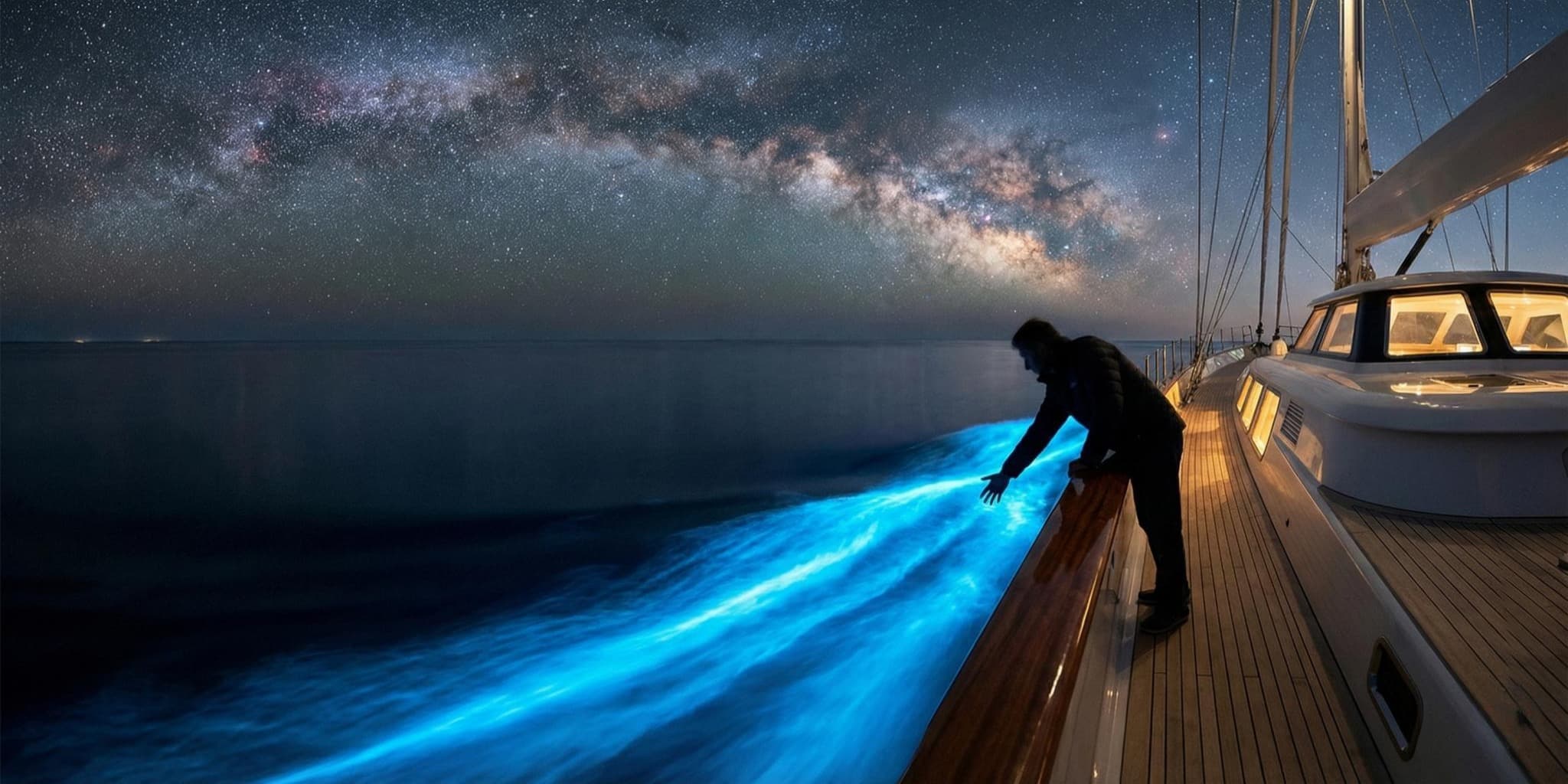
The Sea of Stars: Witnessing Bioluminescence and Glowing Plankton in 2026
Introduction: When the Ocean Becomes the Sky
Imagine you are sailing through the pitch-black velvet of a Mediterranean night. The moon has yet to rise over the jagged cliffs of the Bozburun Peninsula, and the only sound is the rhythmic slicing of your hull through the water. Suddenly, the wake behind your yacht erupts in a trail of ethereal, neon-blue fire. Every ripple, every splash of the bow, and even the darting path of a startled fish leaves a shimmering, glowing ghost in the water.
This is bioluminescence, nature’s most enchanting light show. For the modern voyager in 2026, encountering glowing plankton is often described as a spiritual milestone—a moment where the boundary between the sea and the stars seems to dissolve. But for many, this remains a "problem" of chance; they hear stories of the glow but never know when or where to find it. In this guide, we will decode the science of the "Sea of Stars," pinpoint the best global routes for 2026, and provide the professional expertise needed to turn your next blue cruise into a journey through a living galaxy.
1. The Science of the Glow: What is Bioluminescence?
To command the experience, one must understand the biology. Bioluminescence is a chemical reaction that produces light energy within a living organism.
- The Tiny Architects: Most of the glow we see at the surface is caused by dinoflagellates, a type of single-celled plankton.
- The Chemical Reaction: When these organisms are disturbed by motion—a boat’s hull, a swimmer’s hand, or a breaking wave—a reaction occurs between a light-emitting molecule called luciferin and an enzyme called luciferase.
- The "Defense" Mechanism: Scientists believe this "burglar alarm" effect is designed to startle predators or attract even larger predators to eat the creature threatening the plankton.
- Color Spectrum: While we perceive it as neon blue or green, this is because blue light travels furthest in water, making it the most efficient communication tool for marine life.
2. Where to Find the Light: Best 2026 Routes for Bioluminescence
In 2026, certain "hotspots" have become legendary for their consistent displays. As a senior maritime specialist, I recommend these routes for those seeking the ultimate nocturnal glow.
The Turquoise Coast, Turkey (Fethiye and Marmaris)
The secluded, nutrient-rich bays of the Göcek and Hisarönü Gulfs are prime territory.
- Why here: The sheltered nature of these bays keeps the water calm, allowing high concentrations of plankton to accumulate.
- The 2026 Experience: Nighttime kayaking tours from your yacht are the best way to interact with the glow without the noise of a large engine.
The Balearic Islands, Spain (Formentera)
Formentera’s pristine, shallow waters are a haven for bioluminescence during the warmer 2026 months.
- Why here: The exceptional water clarity and strict environmental protections on the Posidonia seagrass beds create a healthy, thriving ecosystem for marine microorganisms.
The Exotic Frontier: Thailand (Phang Nga Bay)
For the truly adventurous, the limestone caves and "Hongs" of Phang Nga Bay offer a prehistoric backdrop to the light show.
- The 2026 Experience: Specialized "Starlight" tenders equipped with silent electric outboards allow you to enter caves where the bioluminescence is so thick it looks like glowing paint.
3. Comparison: Observation Methods at Sea
| Method | Visual Impact | Environmental Footprint | Best For |
| Sailing at Night | Moderate (Wake only) | Zero (Silent) | Long-distance passages |
| Night Swimming | Exceptional (Full immersion) | Low | Anchorages / Calm bays |
| Paddleboarding/Kayak | High (Interactive) | Zero | Exploring shallows/caves |
| Electric Tender | High (Powerful wake) | Low | Large groups / Distance |
| Glass-Bottom Boat | Moderate | Moderate | Families / Non-swimmers |
4. The 2026 Guide to Capturing the Glow
Capturing bioluminescence on camera is notoriously difficult. In 2026, we utilize specific high-tech and "low-tech" strategies to document the magic.
- Long Exposure is Key: Use a tripod on deck (if the boat is perfectly still) or a stabilized gimbal. You need an exposure of at least 2–5 seconds to capture the faint light.
- Ditch the Flash: Flash will instantly "wash out" the bioluminescence. Total darkness is your best friend.
- High ISO Settings: In 2026, modern mirrorless cameras can handle ISOs of 6400 or higher with minimal noise. This is essential for low-light marine photography.
- The "Agitation" Technique: Have a crew member stir the water with an oar or swim through the frame to "trigger" the light during the exposure.
5. The Eco-Mariner’s Safety & Ethics Checklist
As we navigate these sensitive ecosystems in 2026, stewardship is paramount:
- [ ] Minimal Light Pollution: Turn off all underwater lights and deck floodlights. The darker the yacht, the brighter the plankton will appear.
- [ ] Chemical-Free Swimming: If you plan to swim in glowing water, ensure you are not wearing heavy sunscreens or perfumes, which can be toxic to the delicate dinoflagellates.
- [ ] Check the Moon Phase: The best 2026 displays occur during the New Moon. If the moon is full, the ambient light will make the bioluminescence nearly invisible.
- [ ] Propeller Safety: When viewing from a tender, be extremely mindful of the propeller. Plankton often congregates in the "sweet spot" where current meets the shore—exactly where rocks may hide.
- [ ] Anchor Etiquette: Always anchor in sandy patches. Dragging an anchor through seagrass destroys the habitat where these organisms thrive.
Conclusion: A Memory That Never Fades
Witnessing bioluminescence is a reminder that the ocean is not just a body of water, but a living, breathing entity. In 2026, as we seek more meaningful and sustainable ways to explore the world, these "Sea of Stars" encounters stand as the ultimate reward for the patient mariner. It is an invitation to slow down, turn off the electronics, and marvel at the primal beauty of the deep. When the water begins to glow, you aren't just a spectator; you are part of a cosmic dance that has existed for eons.
Are you ready to find the light in the dark? Whether you’re looking for a luxury gulet with an experienced crew who knows the hidden "glowing bays" or a performance catamaran for a moonless passage, our 2026 fleet is ready for your discovery.
[Explore Our 2026 Fleet and Book Your Voyage to the Sea of Stars Today]
FAQ Section
Q: Is it safe to swim in bioluminescent water?
A: Generally, yes! Swimming in glowing plankton is a highlight of many 2026 charters. However, in some rare cases, "red tides" (high concentrations of certain algae) can cause skin irritation. Your captain will always check local maritime alerts to ensure the water is safe for a dip.
Q: Can bioluminescence be predicted?
A: While not 100% predictable, we know that warmer water temperatures, calm seas, and high nutrient levels (often after a rain) increase the likelihood. In 2026, we use satellite data to track chlorophyll concentrations, which often correlate with plankton "blooms."
Q: Does bioluminescence happen all year round?
A: It can, but it is most vibrant during the late spring and summer months (May through September) in the Mediterranean and Caribbean, as the microorganisms thrive in the warmer surface temperatures.
Tags:
Related Articles
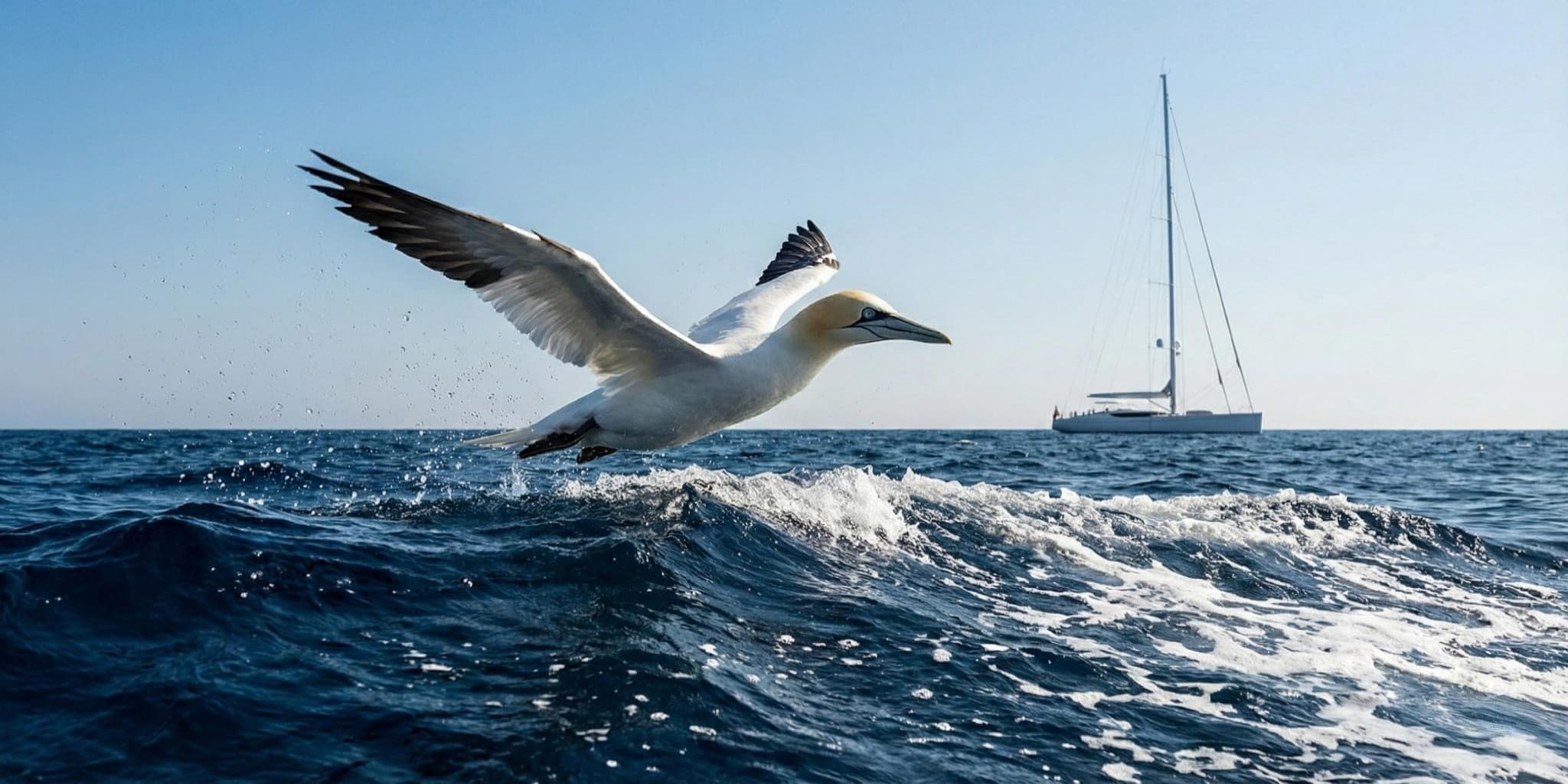
Mastering the Skies: A 2026 Guide to Identifying Sea Birds for the Modern Mariner
Uncover the secrets of the horizon. Master the art of identifying sea birds and learn how these masters of the wind can guide your 2026 sailing adventure.
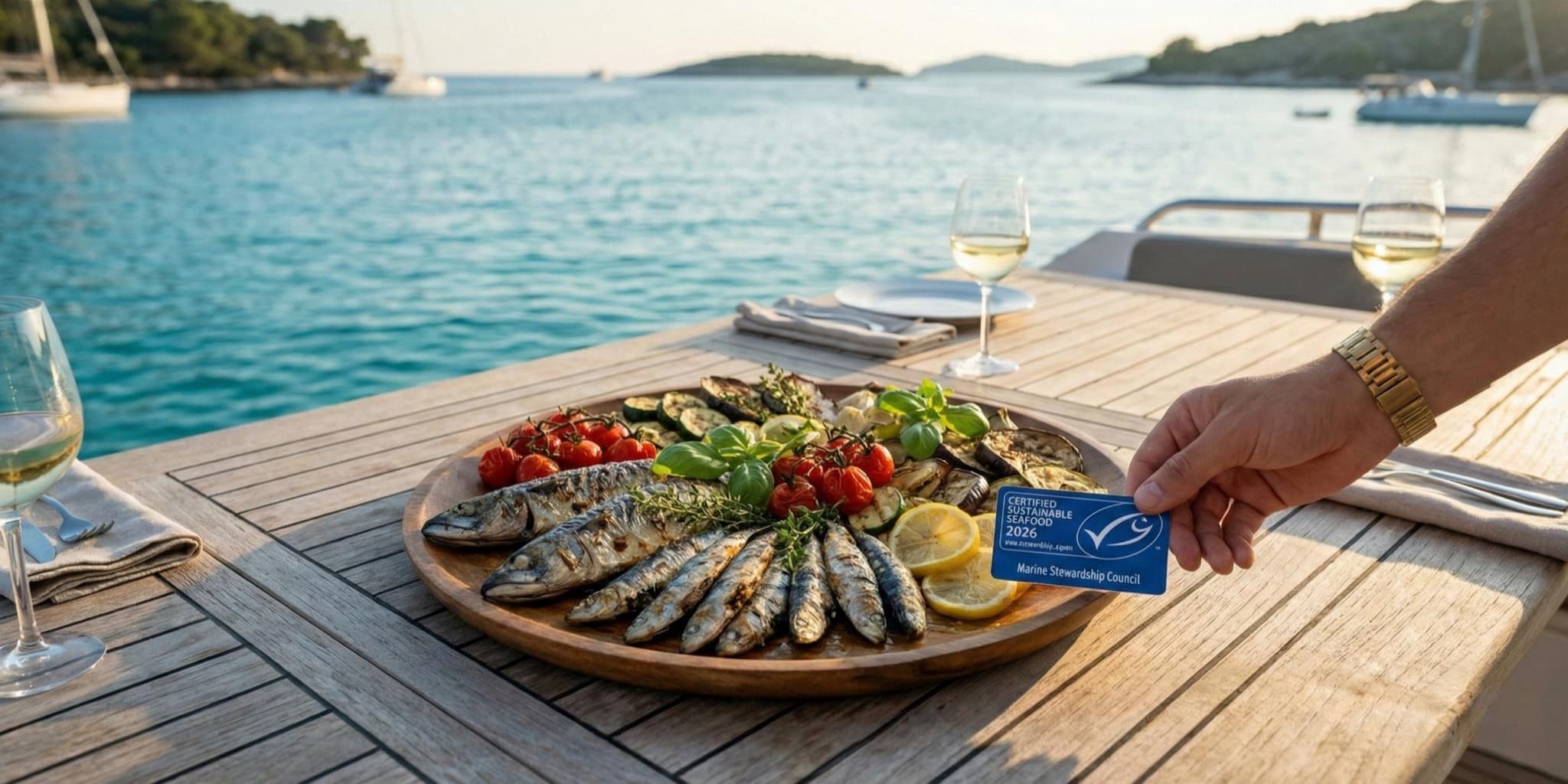
Savor the Blue: The Ultimate 2026 Guide to Sustainable Fishing and Seasonal Dining
Protect our oceans while indulging in the finest catch. Master the 2026 sustainable seafood calendar and discover the "Best Choice" fish for your next voyage.
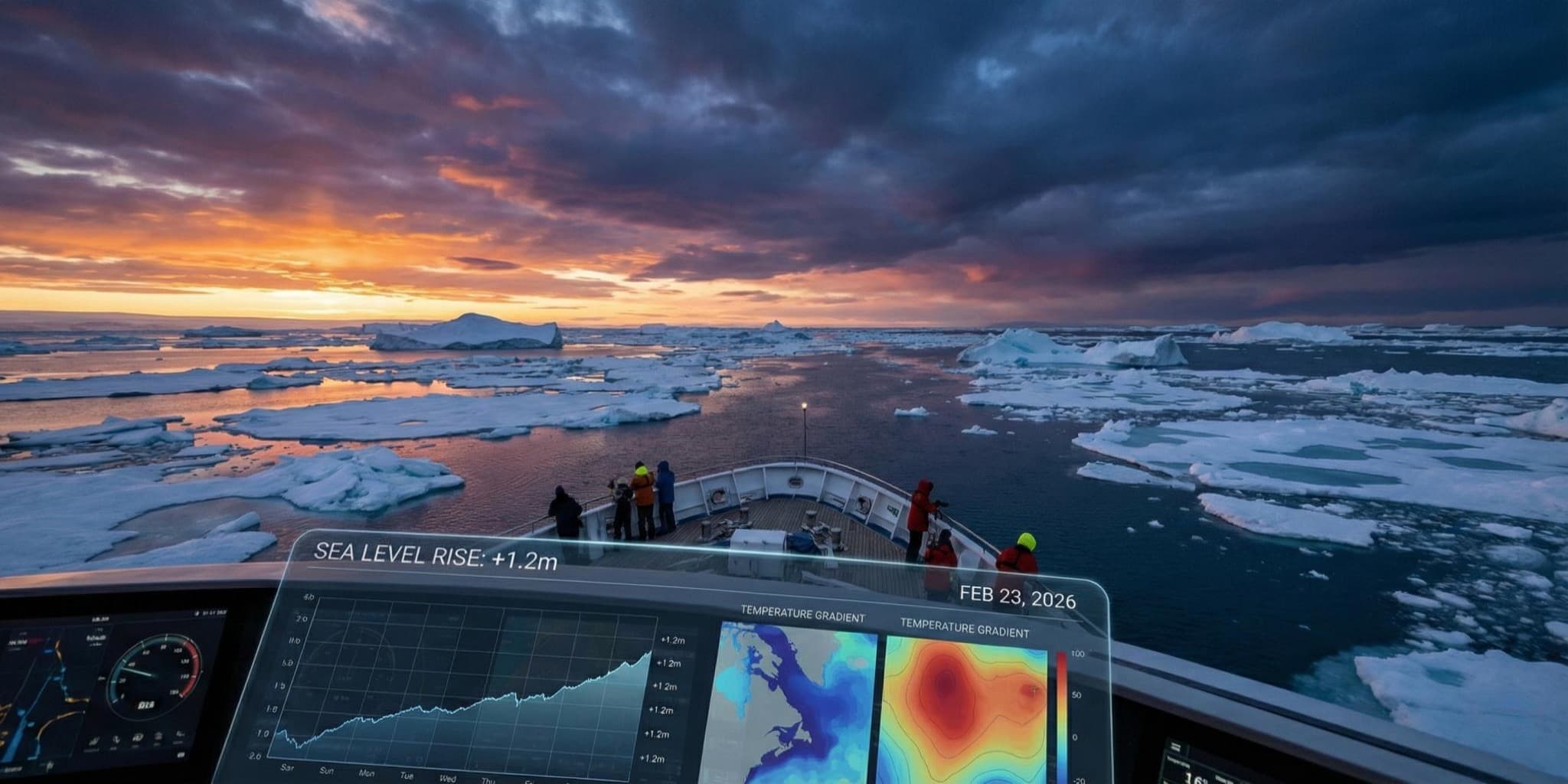
Navigating Change: Global Warming’s Impact on Sea Levels and Sailing Routes in 2026
Charting a changing ocean. Discover how rising sea levels and shifting climates are redrawing the world’s maritime maps and sailing routes in 2026.