
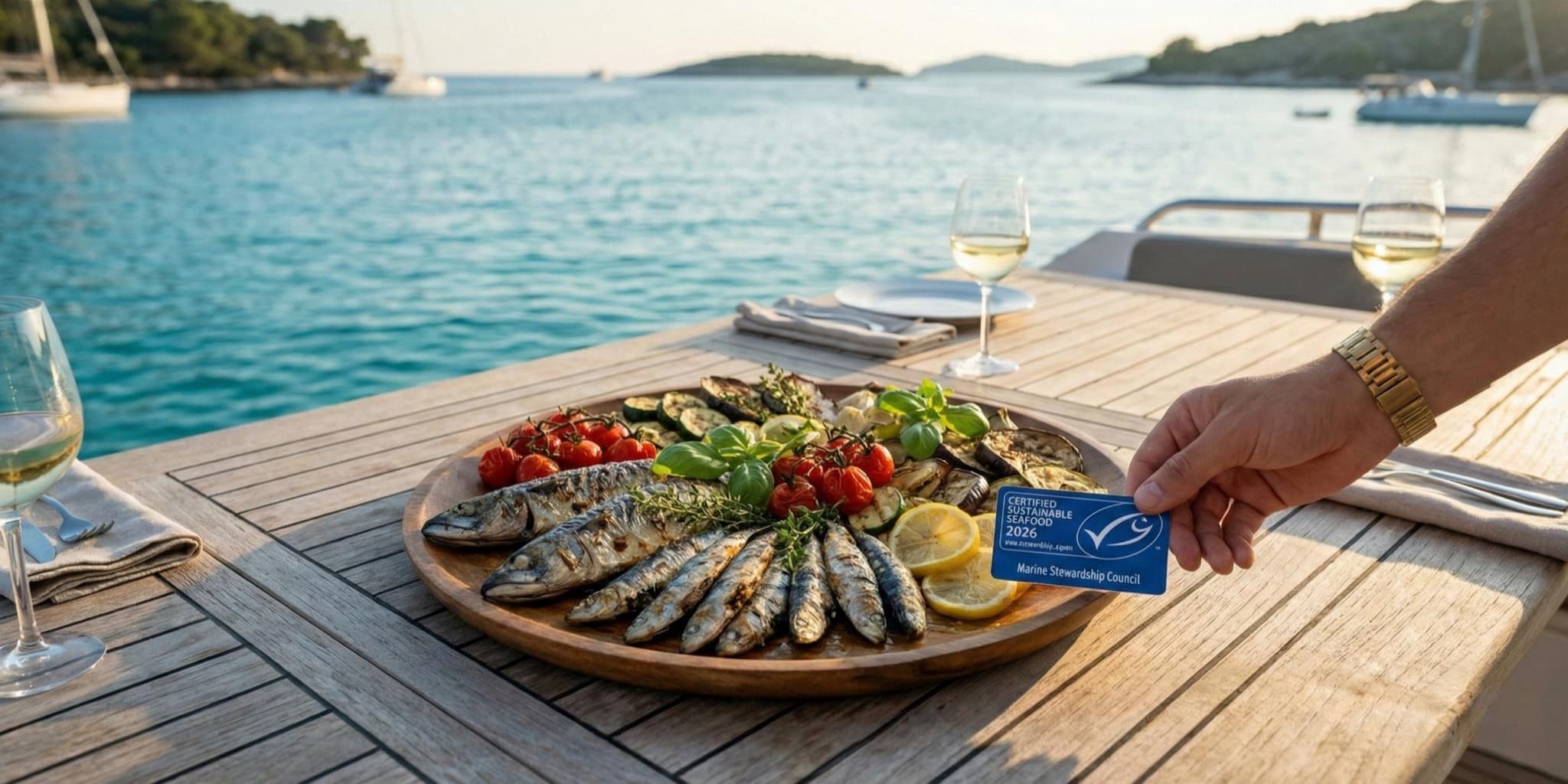
Savor the Blue: The Ultimate 2026 Guide to Sustainable Fishing and Seasonal Dining
Introduction: The Ethical Epicurean at Sea
Imagine sitting on the flybridge of a sleek catamaran in the Mediterranean, the smell of sea salt and grilled herbs in the air. As the sun dips below the horizon, a plate of perfectly seared fish is placed before you. But here is the question that defines the modern mariner: Does your meal support the very ocean you love, or is it a silent contributor to its decline?
In 2026, the "Blue Cruise" is no longer just about luxury; it’s about stewardship. With approximately 52% of assessed Mediterranean stocks still facing overexploitation, the choice of what we eat on board has become a powerful tactical decision. Sustainable fishing is not about deprivation; it is about alignment—enjoying the ocean’s bounty in a way that allows marine ecosystems to flourish for generations. Whether you are a software architect seeking a mindful escape or a business director hosting a high-stakes dinner, this guide provides the authoritative roadmap to seasonal, sustainable dining in 2026.
1. The 2026 Sustainability Standard: Labels and Ethics
To navigate the seafood market in 2026, you must look beyond the fishmonger’s display. The terminology has evolved, and "fresh" is no longer enough.
- The Blue MSC Tick: The Marine Stewardship Council (MSC) remains the gold standard for wild-caught seafood. In 2026, look for the Blue MSC label to ensure your catch is traceable and caught with minimal environmental impact.
- The Green ASC Label: For farmed favorites like salmon or sea bream, the Aquaculture Stewardship Council (ASC) ensures responsible farming practices that protect local water quality and biodiversity.
- Low-Trophic Eating: In 2026, professional yacht chefs are shifting toward "lower-trophic" species—small pelagic fish and shellfish like mussels and oysters—which have a significantly lower carbon footprint and higher reproductive rates.
- Invasive Species Dining: A major 2026 trend is the "Invasive Menu." Eating species that disrupt local ecosystems, such as Lionfish in the Caribbean or Blue Crabs in parts of the Mediterranean, is now considered a high-impact conservation act.
2. Seasonal Calendar: What to Eat and When in 2026
Seasonality is the key to preventing the harvest of juvenile fish or disrupting spawning cycles. While availability varies by region, these are the 2026 "Green Light" species for the major sailing hubs.
Mediterranean & Atlantic (Spring/Summer)
- Sardines & Anchovies: Peak sustainability in late spring. These small powerhouses are high in Omega-3s and recover their populations rapidly.
- Atlantic Mackerel: A "Best Choice" for 2026 when caught with handlines or trolling lines.
- Hake: Look for Southern Hake bearing the MSC tick; it’s a moist, delicate alternative to overfished cod.
Caribbean & Gulf (Year-Round)
- Mahi-Mahi: When caught via US Atlantic pole-and-line, this remains a highly sustainable, fast-growing choice.
- Lionfish: Always in season. Every Lionfish removed from a reef helps protect native biodiversity.
The "Avoid" List for 2026
- Bluefin Tuna: While some stocks are recovering, 2026 quotas remain precarious. Avoid unless certified "FAD-free" and caught via pole-and-line.
- European Eel: Critically endangered. It should be entirely off the menu in 2026.
- Imported Octopus: Unless specifically from well-managed Spanish or Mexican fisheries, many global octopus stocks are currently under caution.
3. Comparison: Wild-Caught vs. Responsibly Farmed (2026)
| Feature | Wild-Caught (MSC) | Responsibly Farmed (ASC) |
| Environmental Impact | Varies by Gear (Low with Handline) | Managed (Low in closed-loop) |
| Biodiversity Support | Prevents Overfishing | Reduces Pressure on Wild Stocks |
| Traceability | Exceptional (QR Code/Batch) | High (Farm-to-Table) |
| Best For | Seasonal Flavors / Pelagics | Salmon / Sea Bass / Shellfish |
| 2026 Availability | Fluctuates with Quotas | Stable Year-Round |
4. The 2026 Recreational Fisher’s Compliance Checklist
If you plan to fish from the deck of your yacht in 2026, new regulations demand a higher level of accountability.
- [ ] Register with RecFishing: As of January 10, 2026, new EU regulations require recreational fishers to report catches of specific species electronically via the RecFishing app.
- [ ] Observe Size Limits: In 2026, "Total Catch" is less important than "Legal Catch." Always carry a measuring tape; releasing juveniles is the most direct way to support stock recovery.
- [ ] Use Handheld Tackle Only: In many Mediterranean sanctuaries, fishing is only permitted using handheld tackle to minimize bycatch.
- [ ] Mind the MPAs: 2026 has seen a surge in "Marine Protected Areas." Ensure your digital charts (like Navionics) are updated to avoid illegal fishing in "No-Take" zones.
- [ ] Release the "Trophies": For species like Halibut or Bluefin, 2026 protocols emphasize releasing large "Trophy" breeders (e.g., Halibut over 2 meters) to maintain genetic health.
5. Expert Tip: The Chef’s "Bycatch" Secret
In 2026, the most sophisticated yacht chefs are requesting "Bycatch" from local markets—species that are accidentally caught alongside primary targets. Fish like Gurnard, Pouting, or Boarfish are often delicious, underutilized, and far more sustainable than the high-demand "celebrity" fish. Asking for these at a local harbor supports small-scale fishers and reduces ocean waste.
Conclusion: A Legacy on Every Plate
Sustainable fishing is the ultimate expression of the mariner’s code. It is a commitment to the long-term health of the species we admire and the habitats we explore. In 2026, as technology like eDNA and the RecFishing system makes our impact more transparent, the choice to eat ethically is a mark of true command. When you choose a "Best Choice" fish, you aren't just enjoying a meal; you are investing in a future where the oceans remain vibrant, resilient, and full of life.
Are you ready to savor the sustainable blue in 2026? Whether you are looking for a luxury gulet with a chef specialized in eco-gastronomy or a performance catamaran for an autonomous, low-impact voyage, our 2026 fleet is ready to guide your adventure.
[Explore Our 2026 Eco-Conscious Fleet and Book Your Voyage Today]
FAQ Section
Q: Is "Line-Caught" always better than "Net-Caught"?
A: In 2026, yes, generally. Line-caught (pole-and-line) fishing has nearly zero bycatch and allows for the immediate release of non-target species. However, some 2026 "Selective Trawls" use new technology to allow small fish to escape, making some net-caught options increasingly sustainable.
Q: How do I know if the fish in a local restaurant is sustainable?
A: Use your 2026 mobile guide (like Seafood Watch or the WWF Mediterranean guide). Don't be afraid to ask: "Was this caught locally?" and "What gear was used?" A professional restaurant will be proud to share its source.
Q: Can I keep the fish I catch from my charter boat?
A: This depends on the local 2026 quotas and your license. For example, in Norway, tourists fishing from registered camps can export 15kg of fish products. In the Mediterranean, recreational catches are generally for personal consumption only and cannot be sold. Always check with your captain.
Tags:
Related Articles
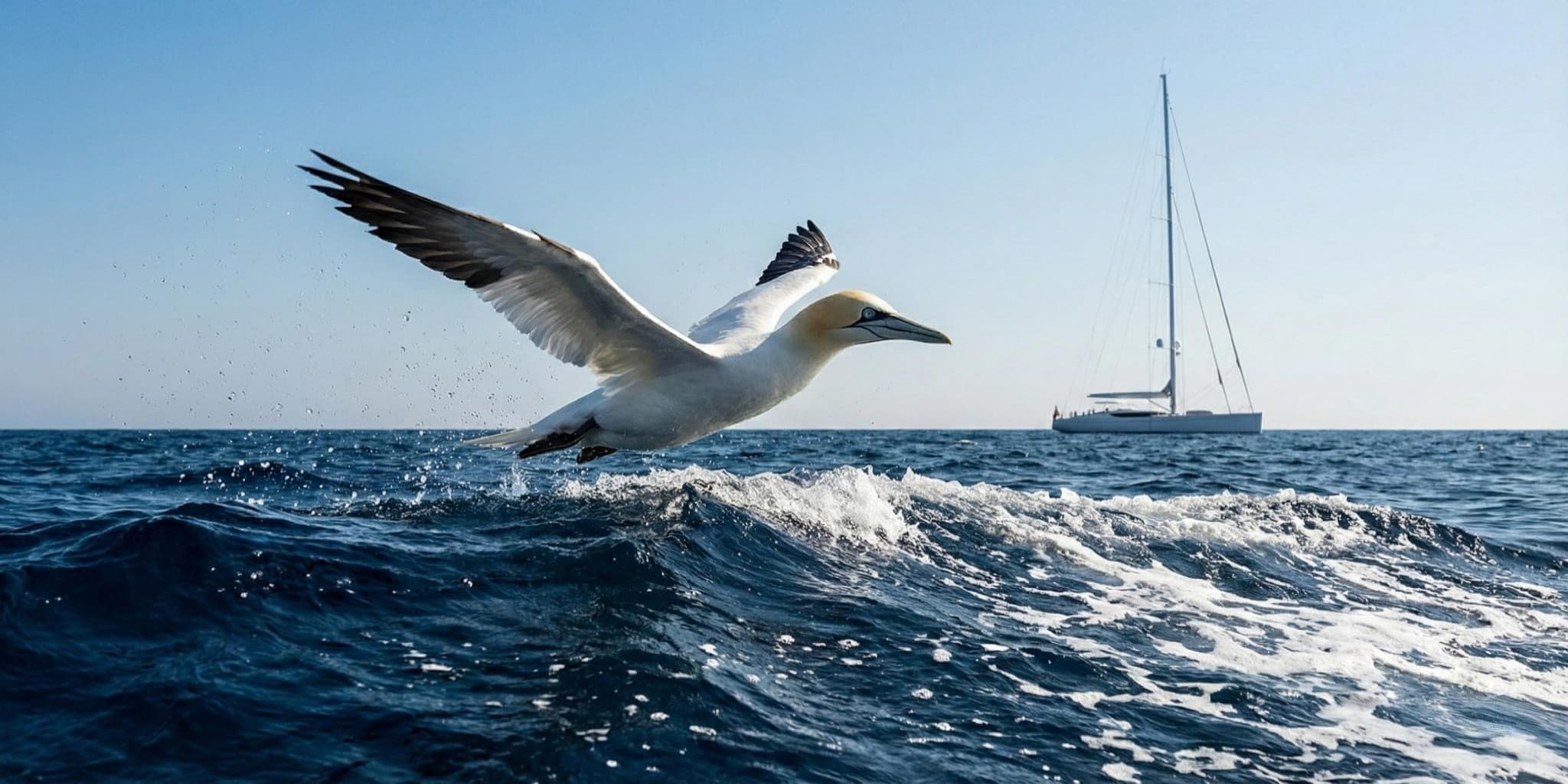
Mastering the Skies: A 2026 Guide to Identifying Sea Birds for the Modern Mariner
Uncover the secrets of the horizon. Master the art of identifying sea birds and learn how these masters of the wind can guide your 2026 sailing adventure.

The Sea of Stars: Witnessing Bioluminescence and Glowing Plankton in 2026
Dive into a living galaxy. Discover the best 2026 routes to witness the magic of bioluminescence and how to capture the ocean’s glow from your yacht.
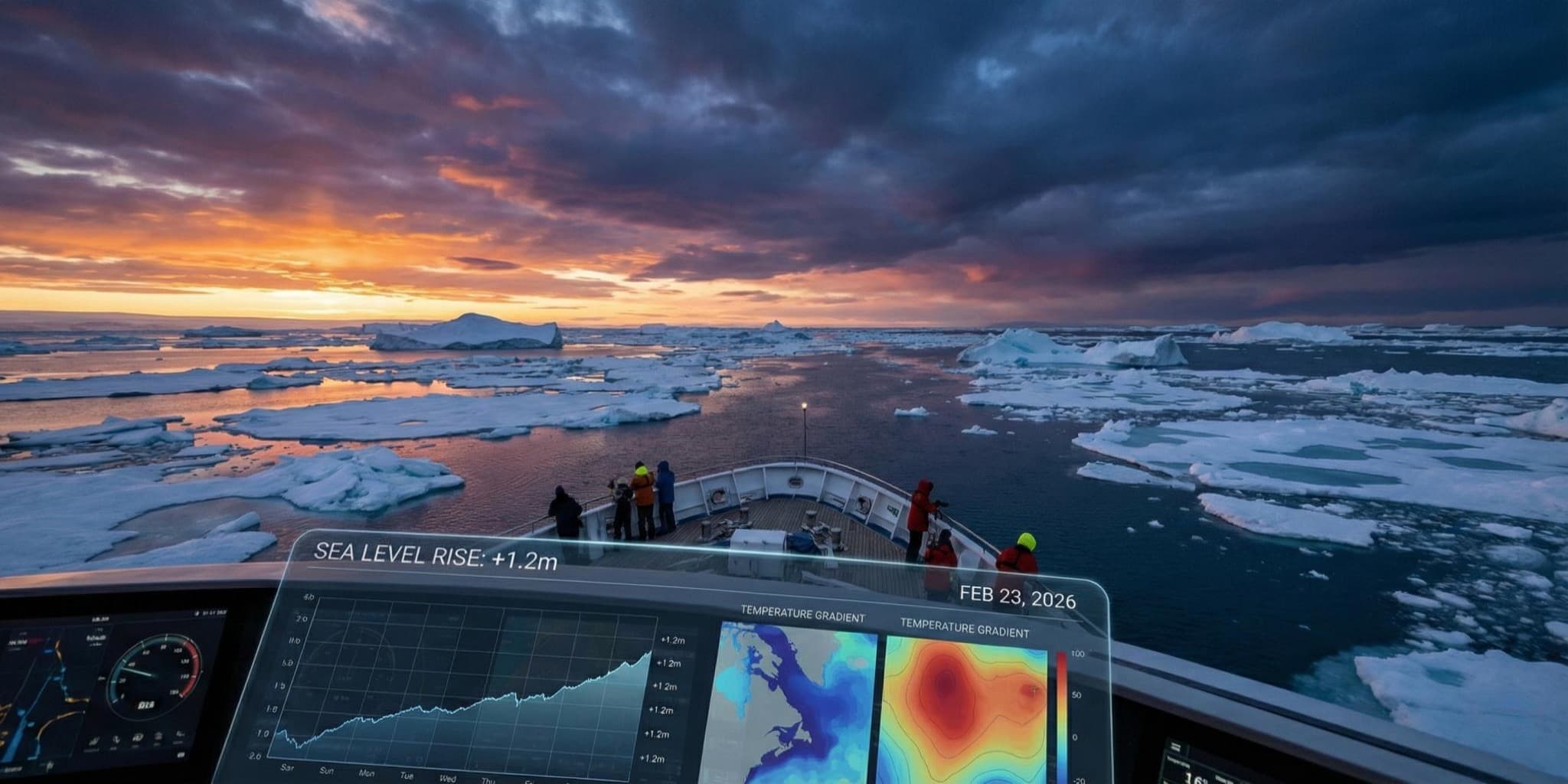
Navigating Change: Global Warming’s Impact on Sea Levels and Sailing Routes in 2026
Charting a changing ocean. Discover how rising sea levels and shifting climates are redrawing the world’s maritime maps and sailing routes in 2026.