
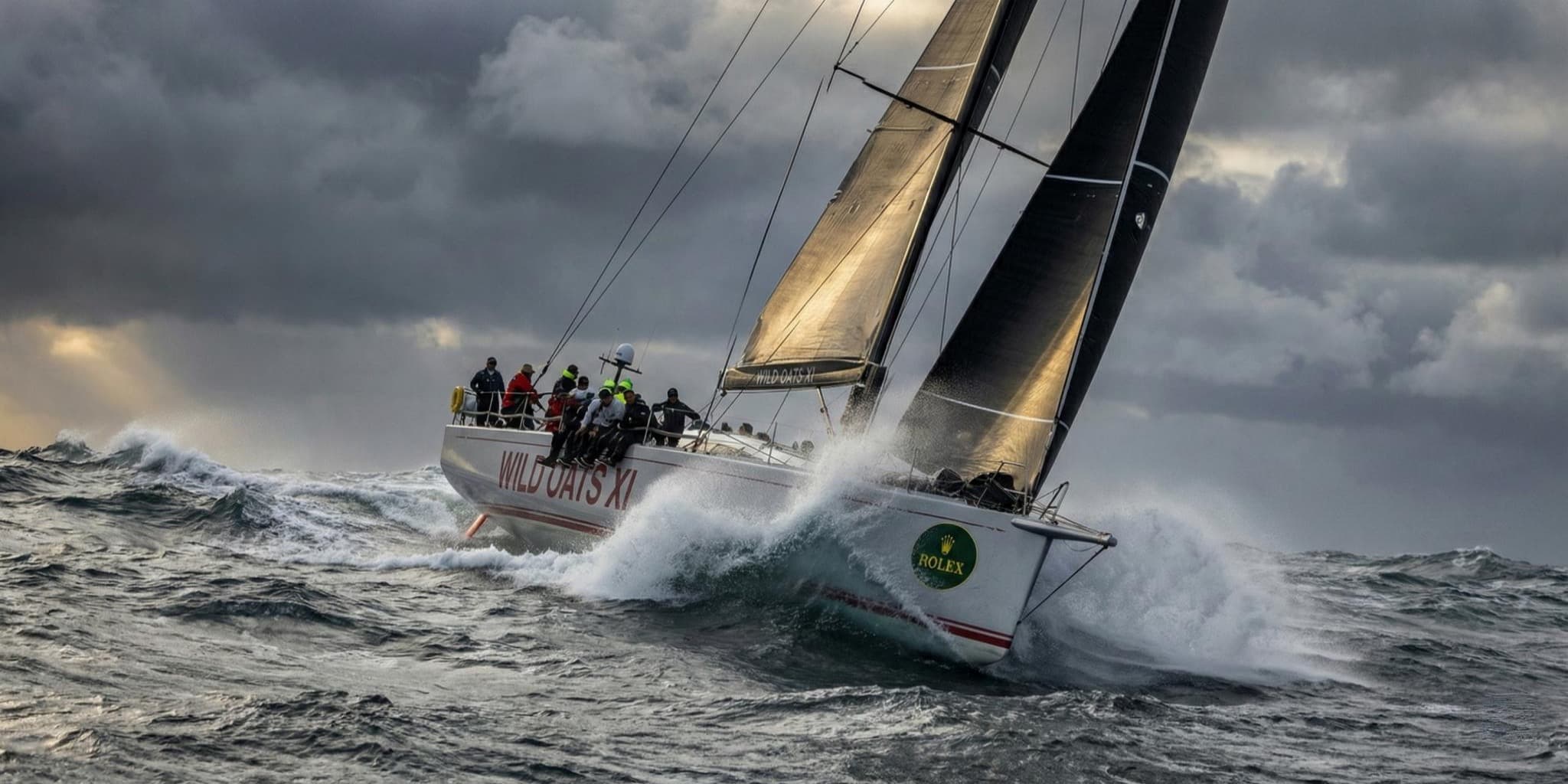
Rolex Sydney Hobart Yacht Race 2026: The Ultimate Definition of Toughness
Introduction: The Great Southern Challenge
Every year on December 26, while the rest of the world settles into a post-holiday lull, a group of the world's most resilient sailors gathers in Sydney Harbour. They aren't looking for relaxation; they are looking for a fight. The Rolex Sydney Hobart Yacht Race is not merely a regatta; it is a 628-nautical-mile odyssey that has earned a reputation as one of the most treacherous and respected offshore races on the planet.
As we look toward the 2026 edition, the allure of the "Great South Land" remains as potent as ever. The race takes the fleet from the iconic skyline of Sydney, down the coast of New South Wales, across the formidable Bass Strait, and finally up the Derwent River to Hobart. It is a journey where the weather can turn from a gentle northerly breeze to a soul-crushing southerly gale in a heartbeat. For the professional maxis chasing line honors and the amateur crews dreaming of the Tattersall Cup, the Sydney Hobart is the ultimate benchmark of maritime toughness.
1. The Anatomy of a Legend: Bass Strait and Beyond
What makes this race so uniquely difficult? The answer lies in the geography and the convergence of two oceans.
The Bass Strait Gauntlet
The stretch of water between mainland Australia and Tasmania, known as the Bass Strait, is a shallow funnel where the Pacific Ocean meets the Great Southern Ocean.
- Shallow Water Dynamics: Because the strait is relatively shallow (averaging only 50-70 meters in parts), the waves become short, steep, and incredibly violent when high winds oppose the current.
- The Southerly Buster: These intense cold fronts bring sudden, gale-force winds that can leap from 10 knots to 50 knots in minutes, testing the structural integrity of the yachts and the physical limits of the crew.
The Derwent River Finish
Ironically, the final 11 miles are often the most frustrating. The Derwent River is notorious for "shutting down" at night, leaving exhausted crews drifting within sight of the finish line while the clock ticks away their chances of a handicap victory.
2. Pushing the Limits: 2026 Fleet Statistics and Diversity
The Sydney Hobart has evolved from a local club event into a global phenomenon. In 2026, the fleet represents the pinnacle of naval architecture and human diversity.
Concrete Numbers: The Fleet Profile
Recent data from the Cruising Yacht Club of Australia (CYCA) and race entry archives highlight a broadening demographic of "toughness":
| Group / Metric | 2026 Projected Data | Growth Trend (since 2020) |
|---|---|---|
| Total International Entries | 22 - 28 boats | +15% |
| Female Participation | 18% of total crew | +6% |
| Asian Representation | 8% of fleet (Japan, China, HK) | +4% |
| Indigenous Sailors | 12-15 individuals | Steady Increase |
| Retirement Rate (Avg) | 15% - 20% of fleet | Weather Dependent |
Racial and Cultural Integration
The 2026 race sees a significant presence from the Asian-Pacific region . Crews from China and South Korea have invested heavily in TP52 and Maxi classes, bringing over 250 professional sailors from these regions into the Sydney Hobart circuit. Furthermore, programs like "Tribal Warrior" continue to empower Aboriginal and Torres Strait Islander mariners, ensuring that the "toughness" defined by the race is inclusive of the traditional custodians of the Australian coastline.
3. The Machines: Super Maxis vs. The Weekend Warriors
The race is famous for the disparity in its fleet. On one hand, you have the 100-foot Super Maxis—multi-million dollar carbon fiber beasts. On the other, you have the "Corinthian" entries—30-foot wooden boats or older fiberglass designs.
- Line Honors: This is the "drag race" to Hobart. The 100-footers like Andoo Comanche or Hamilton Island Wild Oats aim to break the record, which currently stands at 1 day, 9 hours, and 15 minutes.
- Handicap (Overall) Winner: This is the most prestigious prize (the Tattersall Cup). It is calculated using the IRC rating system, allowing a 35-foot boat to beat a 100-footer if they sail their boat more efficiently relative to its potential.
4. Safety First: Lessons from the Past
The toughness of the Hobart is underscored by its history. Following the tragic 1998 race, where a "weather bomb" resulted in the loss of six lives and five boats, the safety regulations became the strictest in the world.
- [ ] Life Raft Servicing: Every boat must carry life rafts capable of housing the entire crew, serviced within 12 months.
- [ ] Satellite Tracking: Each yacht is fitted with a tracker that updates every 10 minutes, visible to the public and race control.
- [ ] Stability Requirements: Every entry must meet rigorous "Righting Moment" standards to ensure they can recover from a 180-degree knockdown.
- [ ] Personal Locator Beacons (PLBs): In 2026, it is mandatory for every crew member to have an AIS-integrated PLB attached to their lifejacket.
Conclusion: Will You Chase the Southerly?
The Rolex Sydney Hobart is more than a race; it is a rite of passage. It demands respect, preparation, and an iron will. While most of us will never experience a 50-knot gale in the Bass Strait, the spirit of the Hobart—the pursuit of excellence against the odds—is what drives the entire maritime world forward.
Whether you are inspired to join a professional racing crew or prefer to explore the Australian coastline on a luxury private charter, 2026 is the year to embrace the adventurous spirit.
Would you like me to help you find a high-performance yacht for charter in Sydney Harbour to watch the 2026 race start, or perhaps suggest an offshore training course to build your own "Hobart-level" skills?
FAQ Section
Q: Can a beginner sail in the Sydney Hobart?
A: No. The CYCA requires that a high percentage of the crew has significant offshore racing experience. For 2026, at least 50% of the crew must have completed a qualifying race of at least 150 miles and hold a valid Sea Survival certificate.
Q: Why is the race held on Boxing Day?
A: The tradition began in 1945 when a small group of friends decided to sail to Hobart for a post-Christmas cruise. It eventually evolved into a race, and the December 26 start date became an immutable part of Australian sporting culture.
Q: How much does it cost to enter the race?
A: While the entry fee itself is relatively modest (around $1,500–$5,000 depending on boat size), the true cost lies in the safety equipment, sails, and logistics, which can range from $20,000 for a small boat to hundreds of thousands for a Super Maxi.
Tags:
Related Articles
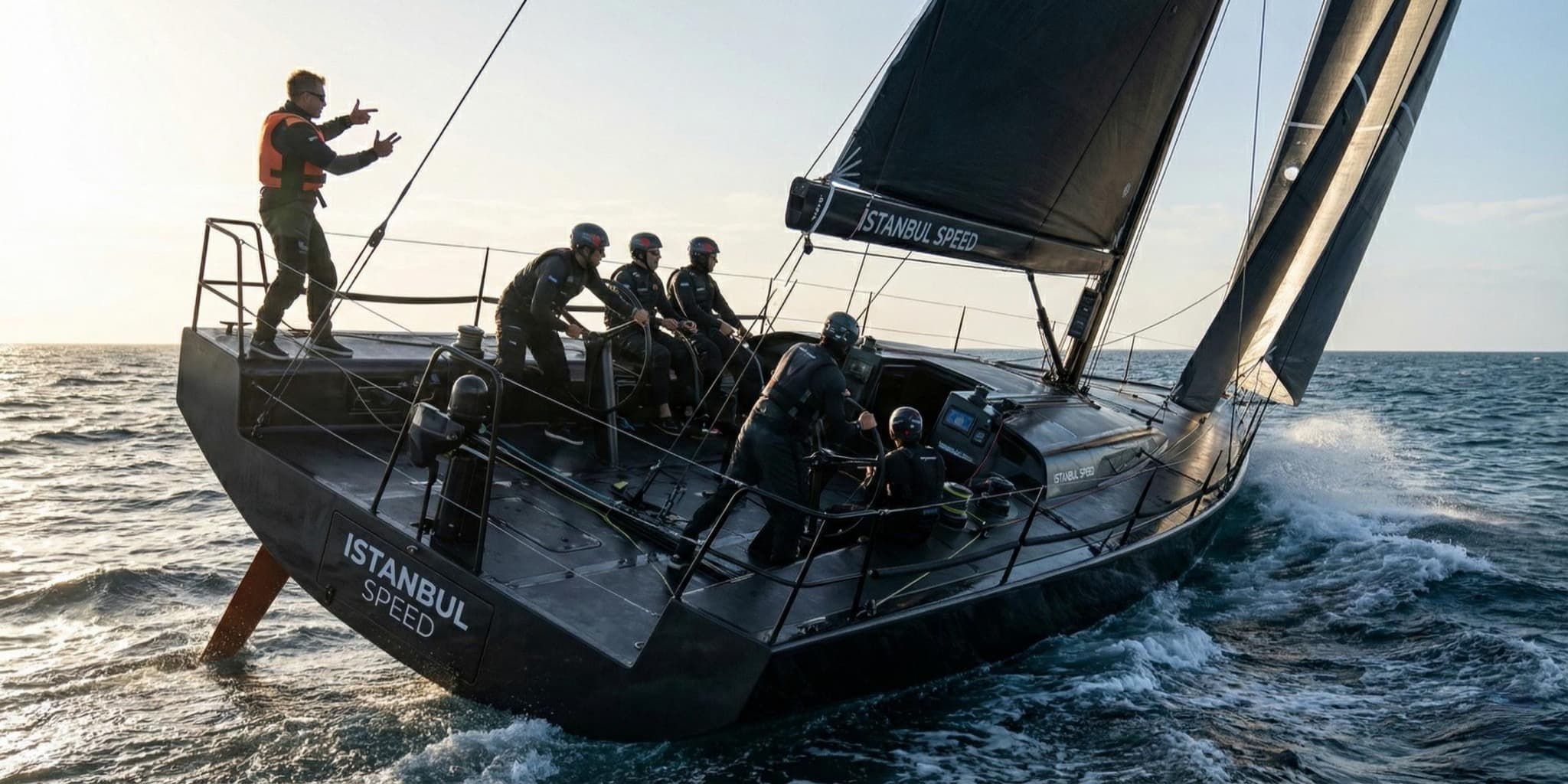
Beyond the Helm: Mastering Racing Crew Positions and Duties in 2026
Transition from passenger to performer. Master the vital racing crew positions and duties that drive a championship-winning yacht in the 2026 regatta season.
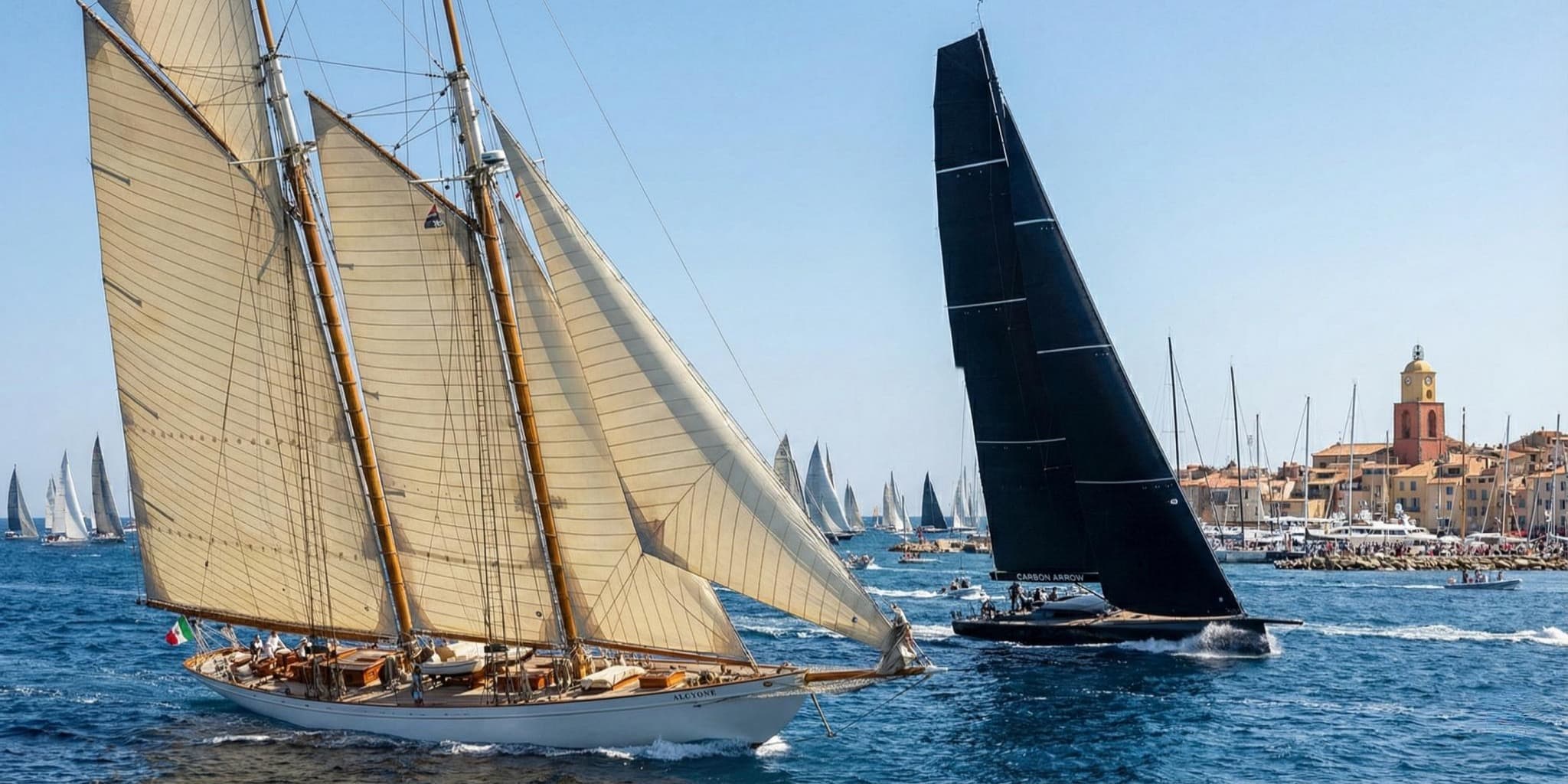
Les Voiles de Saint-Tropez 2026: The Ultimate Gathering of Classic and Modern Yachts
Witness the Mediterranean's most glamorous regatta. Experience the timeless elegance of classic schooners and the raw power of Maxis at Les Voiles de Saint-Tropez 2026.
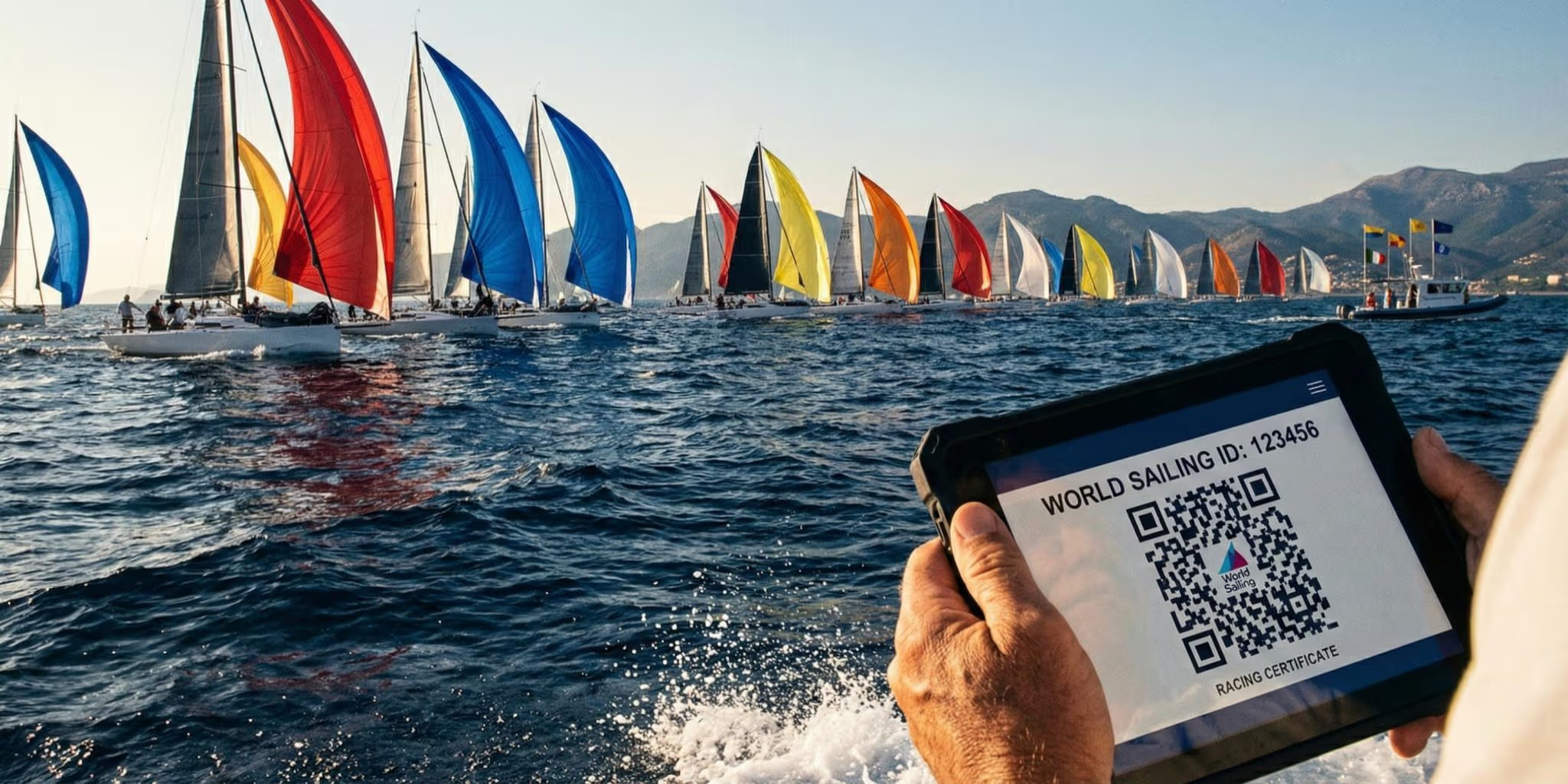
Competing in the Blue: Essential Yacht Racing Licenses and Requirements for 2026
Ready to cross the start line? Master the essential sailing licenses and racing certifications required to compete in world-class yacht regattas in 2026.