Beyond the Helm: Mastering Racing Crew Positions and Duties in 2026
Introduction: The Symphony of High-Performance Sailing
Imagine the start line of the Rolex Middle Sea Race. The air is thick with the scent of salt and carbon fiber. Around you, fifty-foot racing machines are jockeying for position, their massive sails snapping like thunderclaps in the wind. For the uninitiated, it looks like chaos. But for the veteran mariner, it is a finely tuned orchestra. In this moment, the "dream" of racing is transformed into a high-stakes "problem" of physics and human coordination: How do you move ten tons of boat through a dynamic sea with millimetric precision?
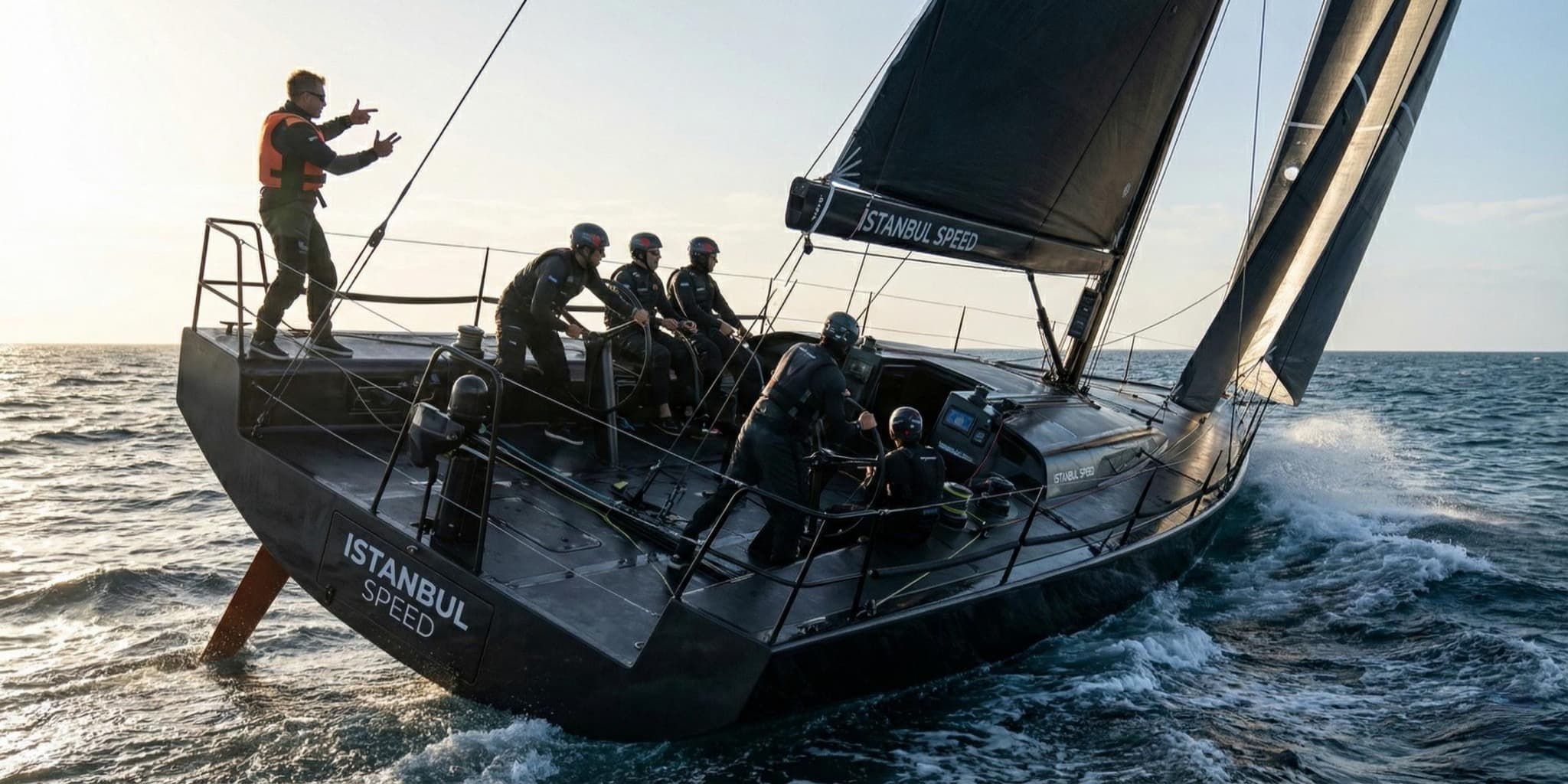
The answer lies in the crew. In 2026, as yachts become faster and technology like foiling and automated trim becomes standard, being part of a racing crew is no longer just about strength; it is about specialized intelligence. Every person on deck has a "command" area, a set of duties that are vital to the vessel’s safety and speed. Whether you are an aspiring bowman or a business leader looking to translate "teamwork" from the boardroom to the blue, understanding these positions is your first step toward the podium.
1. The Powerhouse: The Bow and Pit
The front of the boat is where the most physically demanding and dangerous work occurs. It requires agility, a lack of fear, and a deep understanding of sail mechanics.
The Bowman (The "Point")
The bowman is the eyes of the boat during the start and the primary operator during sail changes.
- Duties: Calling the distance to the start line, managing the spinnaker pole, and ensuring the "headsails" go up and down without tangling.
- 2026 Tip: In 2026, bowmen often use haptic-feedback gloves that vibrate as the countdown reaches zero, allowing them to keep their eyes on the water.
The Pit (The "Orchestrator")
Located at the companionway, the Pit is the central hub through which every line (halyard) passes.
- Duties: Opening and closing clutches, managing the "hoists" and "drops," and ensuring the deck remains clear of "rope spaghetti."
2. The Engine Room: Trimmers and Grinders
If the hull is the body, the trimmers are the lungs. They are responsible for the shape of the sails and the ultimate speed of the boat.
The Mainsheet Trimmer
Second only to the helmsman in importance, this person controls the most powerful sail on the boat.
- Duties: Constantly adjusting the mainsail to match wind gusts, maintaining the boat’s "heel" angle, and communicating with the helm about the "feel" of the rudder.
Headsail and Spinnaker Trimmers
- Duties: Managing the "sheets" (ropes) for the jib or gennaker. They must have an intuitive sense of aerodynamics, constantly searching for the "perfect trim" to keep the boat moving at its VPP (Velocity Prediction Program) targets.
The Grinders
On larger 2026 yachts like Maxis, the "Grinders" provide the raw physical power to turn the winches.
- Duties: Operating the pedestals (coffee grinders) to move sails in seconds rather than minutes. It is a position of pure endurance and explosive strength.
3. The Brain Trust: Tactics, Navigation, and Helm
At the back of the boat, the focus shifts from physical execution to strategic command.
- The Tactician: They don't touch a single line. Their job is to look "outside" the boat—watching the wind shifts, the current, and the position of the competitors to decide which way to go.
- The Navigator: In 2026, the navigator is a data scientist. They utilize high-resolution weather routing software and AIS data to find the fastest path across the sea.
- The Helmsman (The "Driver"): The helmsman’s job is simple but grueling: keep the boat fast and on course. They must filter out all the noise of the deck and focus entirely on the "tell-tales" on the sails and the pressure in their hands.
4. Comparison: Crew Roles and Required Skillsets (2026)
| Position | Physical Intensity | Technical Skill | Primary Duty |
| Bowman | Extreme | High | Sail changes & Start calls |
| Pit | Moderate | Extreme | Halyard & Clutch management |
| Trimmer | Moderate | Extreme | Sail shape & Speed optimization |
| Grinder | Extreme | Low | Powering the winches |
| Tactician | Low | Extreme | Strategic decision-making |
| Navigator | Low | Extreme | Data analysis & Weather routing |
5. The 2026 Racing Crew Success Checklist
To ensure you are a valuable asset to any racing team this season, follow this "Professional Protocol":
- [ ] Weight Distribution (Rail Meat): Understand the "hiking" call. Moving your body weight to the high side of the boat is the most basic yet vital way to keep a yacht fast.
- [ ] Silent Communication: On a loud 2026 racing deck, hand signals are often more effective than shouting. Learn the team's specific signals for "Tacking," "Jibing," and "Hoisting."
- [ ] Situational Awareness: Always know where the "boom" is. In racing, maneuvers happen fast; safety depends on you knowing where the "danger zones" are at all times.
- [ ] Gear Maintenance: In 2026, high-performance lines (Dyneema) can be ruined by a single burr on a winch. Part of your duty is a "Pre-Race Deck Sweep" to ensure all hardware is pristine.
- [ ] The "After-Action" Review: Championship teams in 2026 use GoPro and sensor data to review every maneuver. Be prepared to analyze your performance with candor and a growth mindset.
Conclusion: Take Your Place in the Lineup
Being part of a racing crew is one of the most transformative experiences a mariner can have. It is a lesson in ego-suppression, technical mastery, and the profound power of a shared goal. In 2026, as the sport of yacht racing becomes more accessible through "Pro-Am" regattas and high-performance charters, there has never been a better time to transition from a passenger to a performer. When the starting gun fires, you aren't just on a boat; you are a vital component of a machine designed to conquer the wind.
Are you ready to join the 2026 racing circuit? Whether you are looking to charter a race-ready X-Yachts X4⁶ or want to book a spot on a professional racing crew for the upcoming Mediterranean season, our specialists are ready to guide your journey to the podium.
[Explore Our 2026 Racing Charters and Book Your Position Today]
FAQ Section
Q: Do I need to be an expert to join a racing crew in 2026?
A: Not necessarily. Many regattas have "Corinthian" (amateur) classes or "Pro-Am" divisions where beginners can join as "Rail Meat" (weight on the high side) to learn the ropes. However, for Category 1 offshore races, specific safety certifications and prior experience are mandatory.
Q: What is the most important piece of gear for a new crew member?
A: A high-quality, high-visibility lifejacket (PFD) with an integrated harness and a professional sailing knife. In the fast-paced world of racing, being able to cut a fouled line or stay afloat in a "Man Overboard" situation is the baseline for safety.
Q: Can I change positions during a race?
A: In a structured 2026 racing team, positions are usually fixed to ensure maximum efficiency. However, in longer offshore races, crew members often rotate through "Watches," meaning you might find yourself trimming for four hours and then grinding or navigating for the next four.
Tags:
Related Articles
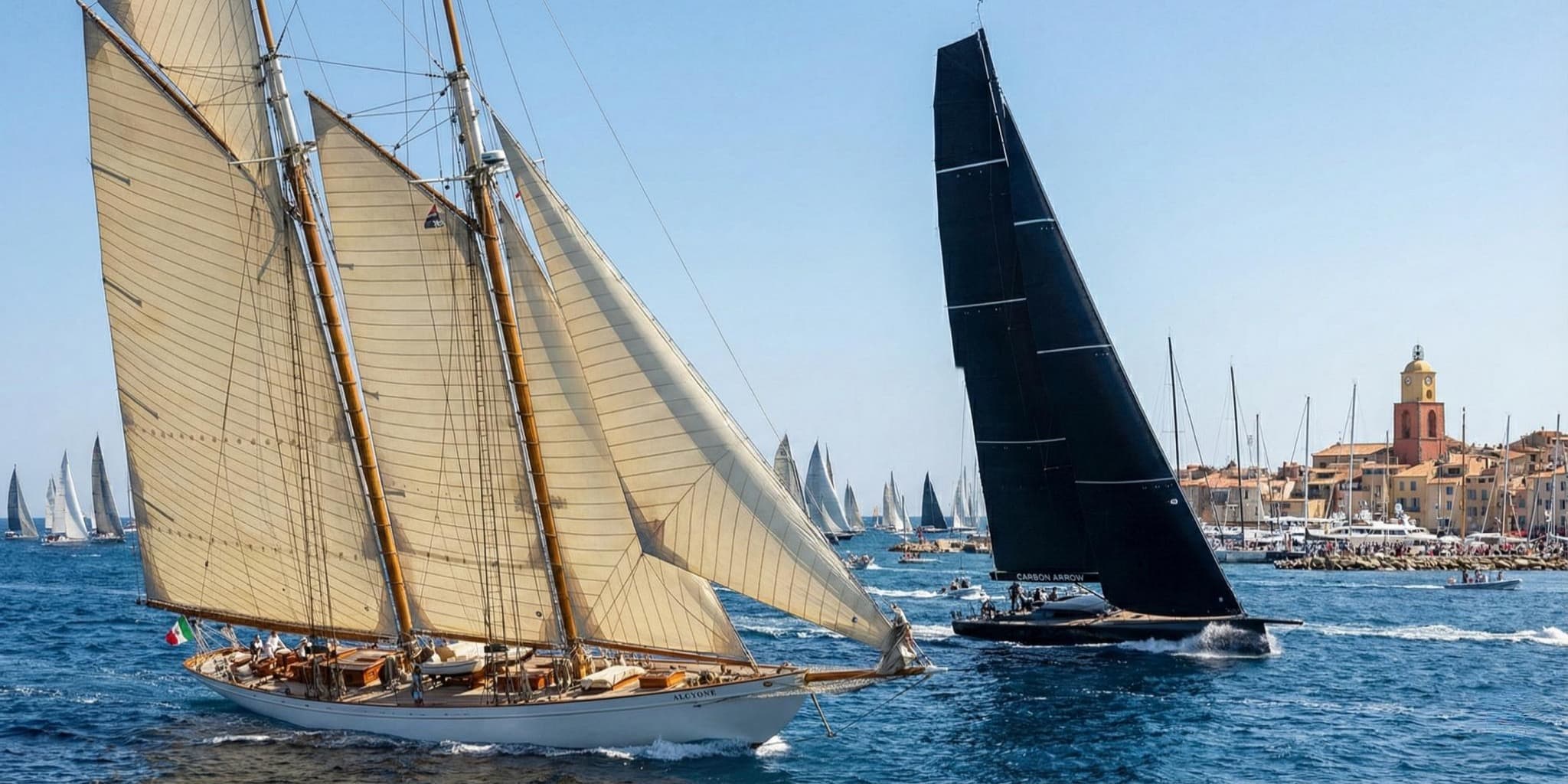
Les Voiles de Saint-Tropez 2026: The Ultimate Gathering of Classic and Modern Yachts
Witness the Mediterranean's most glamorous regatta. Experience the timeless elegance of classic schooners and the raw power of Maxis at Les Voiles de Saint-Tropez 2026.
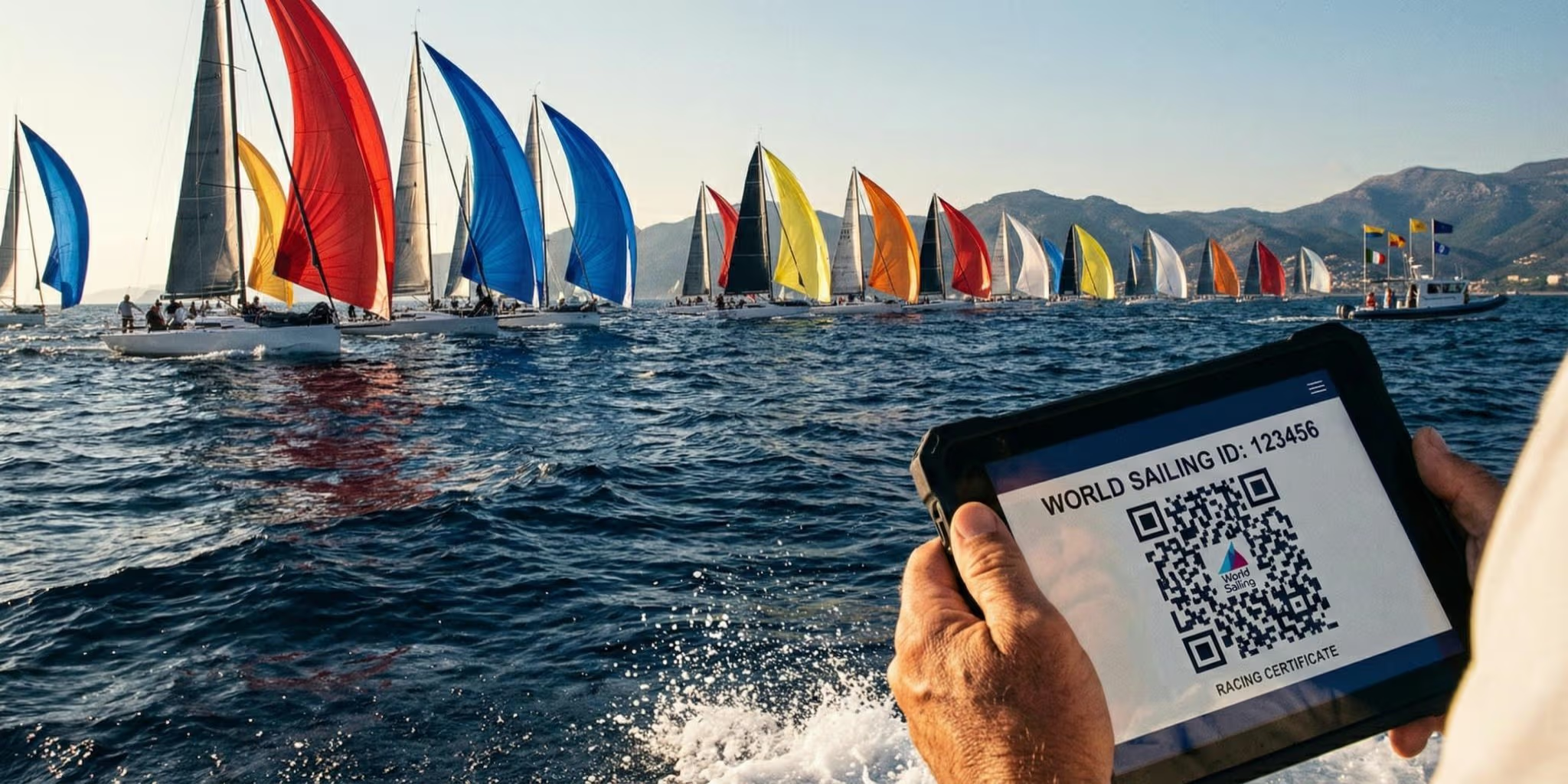
Competing in the Blue: Essential Yacht Racing Licenses and Requirements for 2026
Ready to cross the start line? Master the essential sailing licenses and racing certifications required to compete in world-class yacht regattas in 2026.
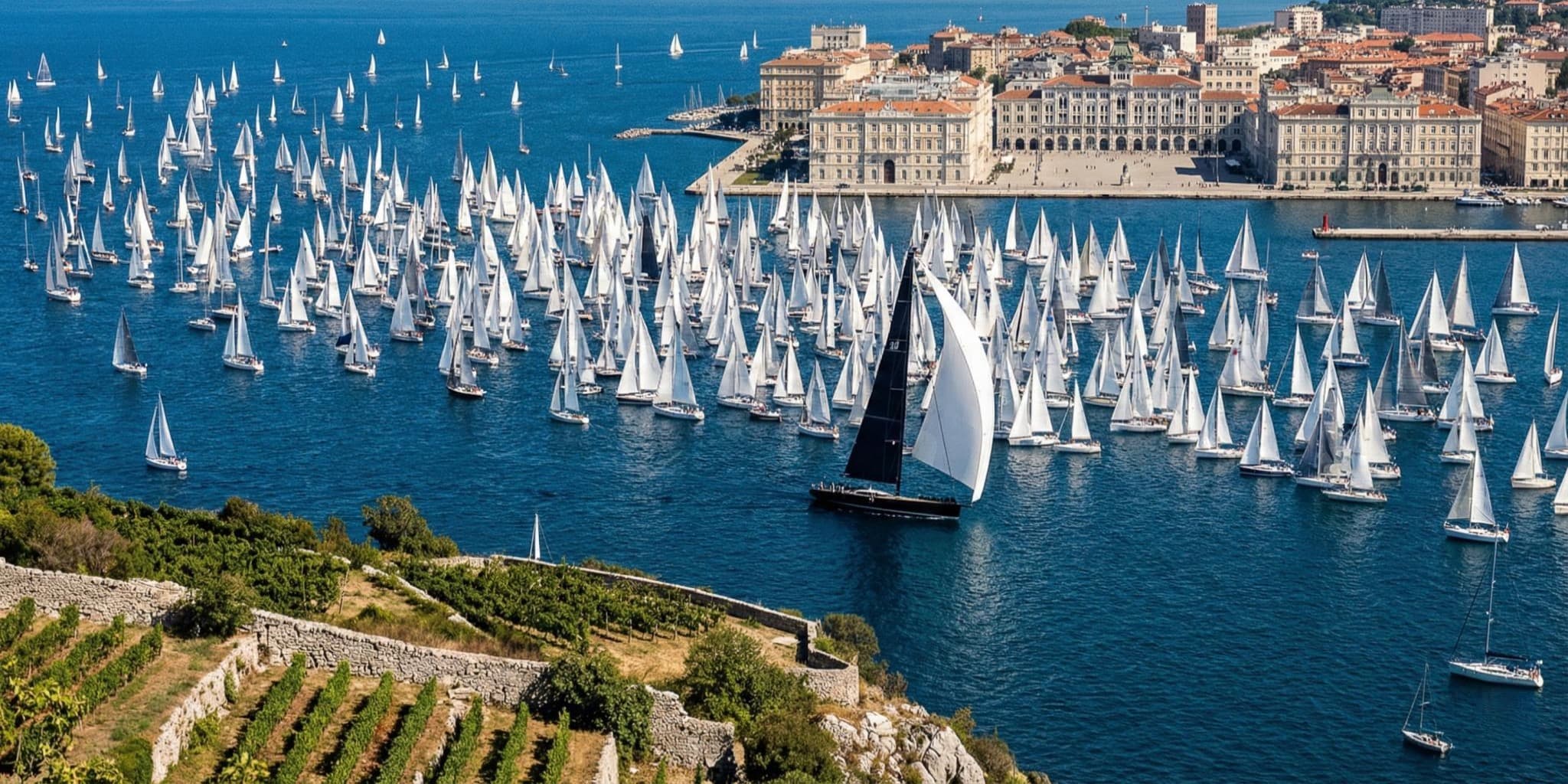
Barcolana 58: Experience the World's Largest Sailing Race in 2026
Join over 2,000 boats on a single start line. Discover the magic of Trieste’s Barcolana Regatta—the ultimate 2026 bucket-list event for every sailor.