
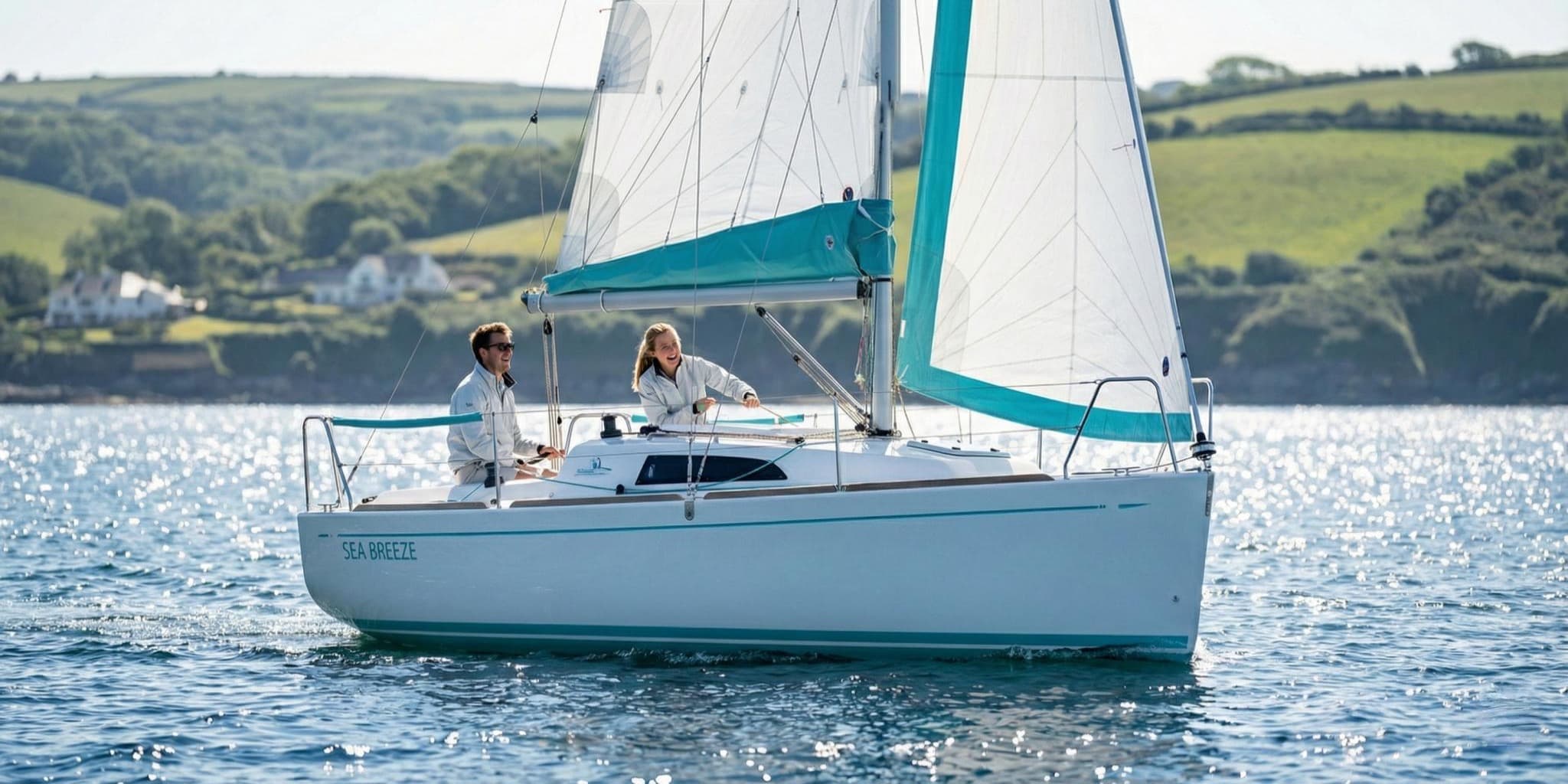
Finding Your Wings: Best Sailboat Types for Beginners in 2026
Introduction: The First Glimpse of the Horizon
There is a singular, life-altering moment that every sailor remembers: the very first time you kill the engine, trim the sails, and feel the boat accelerate using nothing but the invisible power of the wind. The chaotic world of land disappears, replaced by the rhythmic slap of water against the hull and a profound sense of freedom.
If you are standing on the shore in 2026, looking out at the masts in the harbor and wondering where to begin, you aren't alone. The maritime world has never been more accessible, with modern boat designs focusing heavily on stability, intuitive handling, and safety. However, choosing the wrong "first boat" can turn a dream into a stressful ordeal. To ensure your first nautical miles are filled with confidence rather than confusion, you need a vessel that acts as a patient teacher. This guide breaks down the best sailboat types for beginners to help you find your perfect match for the upcoming season.
1. Dinghies: The Ultimate Classroom
Ask any professional skipper or America’s Cup sailor where they learned their craft, and the answer is almost always a dinghy. These small, open boats (usually under 15 feet) provide the most direct feedback of any sailboat type.
- Instant Feedback: Because dinghies are light, every movement you make—shifting your weight or over-tightening a sheet—has an immediate effect. This "conversation" with the boat is how you develop "sail feel."
- Simplicity: With only one or two sails and minimal lines, you can master the physics of sailing without being overwhelmed by complex systems.
- Affordability: In 2026, the market for rotomolded polyethylene dinghies (like the Laser/ILCA or RS Quest) is booming. They are nearly indestructible and easy to launch from a beach or trailer.
2. Day Sailers: Comfort Meets Capability
If you want the "real boat" feel without the commitment of overnight systems, the day sailer is your ideal 2026 entry point. These boats are typically 18 to 25 feet long and feature a weighted keel, which makes them much harder to tip over than a dinghy.
- Stability: The fixed keel provides a safety net. If a gust of wind hits, the boat will lean (heel) but resists capsizing, giving the beginner peace of mind.
- Cockpit Space: Day sailers are designed for socializing. You can bring family or friends along, allowing you to practice helm work while others manage the jib.
- Expert Tip: Look for models with "self-tacking jibs." This modern 2026 design trend allows the headsail to move across the boat automatically during a turn, letting the beginner focus entirely on the tiller and the mainsheet.
3. Pocket Cruisers: For the Weekend Adventurer
As we move into 2026, the "staycation" on the water has seen a massive resurgence. Pocket cruisers (25–30 feet) offer basic amenities like a small galley (kitchen), a head (bathroom), and berths (beds).
- System Learning: This is where you learn about marine electronics, plumbing, and inboard engines—essential skills if your goal is to eventually charter a large yacht in the Mediterranean.
- Forgiving Motion: Their heavier displacement means they handle "chop" and small waves more smoothly than smaller boats, making for a more comfortable day for those prone to seasickness.
- Checking the Variables: Most pocket cruisers can still be handled by two people, making them perfect for couples learning together.
4. Modern Catamarans: Stability is King
In 2026, the popularity of catamarans for beginners has skyrocketed, particularly for those looking to skip the learning curve of "heeling" (leaning).
- No Leaning: Catamarans have two hulls, meaning they stay level. This is a game-changer for beginners who find the tilting of a monohull intimidating.
- Spacious Interiors: Even a 30-foot catamaran offers the living space of a much larger monohull, making it the premier choice for families.
- Dual Engines: Most catamarans have an engine in each hull, allowing the boat to turn on its own axis. This makes docking—often the most stressful part of sailing—remarkably easy.
Beginner Boat Comparison: 2026 Quick Reference
| Boat Type | Stability | Ease of Handling | Capacity | Best For |
|---|---|---|---|---|
| Dinghy | Low | High (Very Responsive) | 1-2 People | Learning the "Feel" |
| Day Sailer | Medium | High | 4-6 People | Afternoon fun with friends |
| Pocket Cruiser | High | Medium | 4 People | First overnight trips |
| Catamaran | Very High | Medium | 6-10 People | Comfort & Family Safety |
5. The Beginner’s Success Checklist
Before you step on deck, ensure your first experience is a positive one by following this 2026 starter checklist:
- [ ] Take a Discovery Course: Brands like ASA or RYA offer "Start Sailing" weekends that take the guesswork out of your first hour.
- [ ] Start in Light Winds: 5–10 knots is the "sweet spot" for beginners. It’s enough to move the boat but not enough to cause stress.
- [ ] Wear a Life Jacket: Modern 2026 inflatable life jackets are slim and comfortable—there’s no excuse not to wear one.
- [ ] Bring a Mentor: Your first few times out, have an experienced sailor on board. Their presence allows you to focus on the sails while they keep an eye on navigation.
Conclusion: Your Journey Starts Now
Sailing isn't just a hobby; it’s a lifestyle that rewards patience, curiosity, and a love for the outdoors. In 2026, the technology and designs available mean that anyone, regardless of age or athletic ability, can find a sailboat that fits their comfort zone. Whether you choose the agile feedback of a dinghy or the rock-solid stability of a catamaran, the ocean is waiting to teach you its secrets.
Would you like me to help you find a local sailing school or suggest specific boat models available for charter to help you start your 2026 adventure?
FAQ Section
Q: Is sailing difficult to learn?
A: The basics of making a boat move with the wind can be learned in a single afternoon. However, like chess, it takes a lifetime to master the nuances of weather, navigation, and trim. Starting on a beginner-friendly boat makes the initial learning curve much flatter.
Q: Do I need to buy a boat to start sailing in 2026?
A: Not at all! In fact, we recommend against it. Between sailing clubs, boat-sharing apps, and yacht charters, you can try several different boat types to see what suits you before making a financial commitment.
Q: Are catamarans harder to sail than monohulls?
A: They aren't harder, just different. They don't "talk" to you through the helm as much as a monohull does, but their stability and ease of docking make them very beginner-friendly for those looking for a relaxed experience.
Tags:
Related Articles
Navigating the Currents: The Essential Guide to Boat Insurance and Coverage for 2026
Protect your dream and your pocketbook. Master the complexities of marine insurance and secure the best boat coverage for your 2026 maritime adventures.
Set Sail with Confidence: What to Know Before Attending a Sailing Course in 2026
Transition from passenger to captain. Discover the essential certifications, gear, and mental prep needed for your 2026 sailing course success.
Master the Quay: Marina Rules and Maritime Etiquette for 2026
Don't be "that boat." Master the unspoken laws of the harbor and professional marina etiquette to ensure a seamless and respected 2026 voyage.