
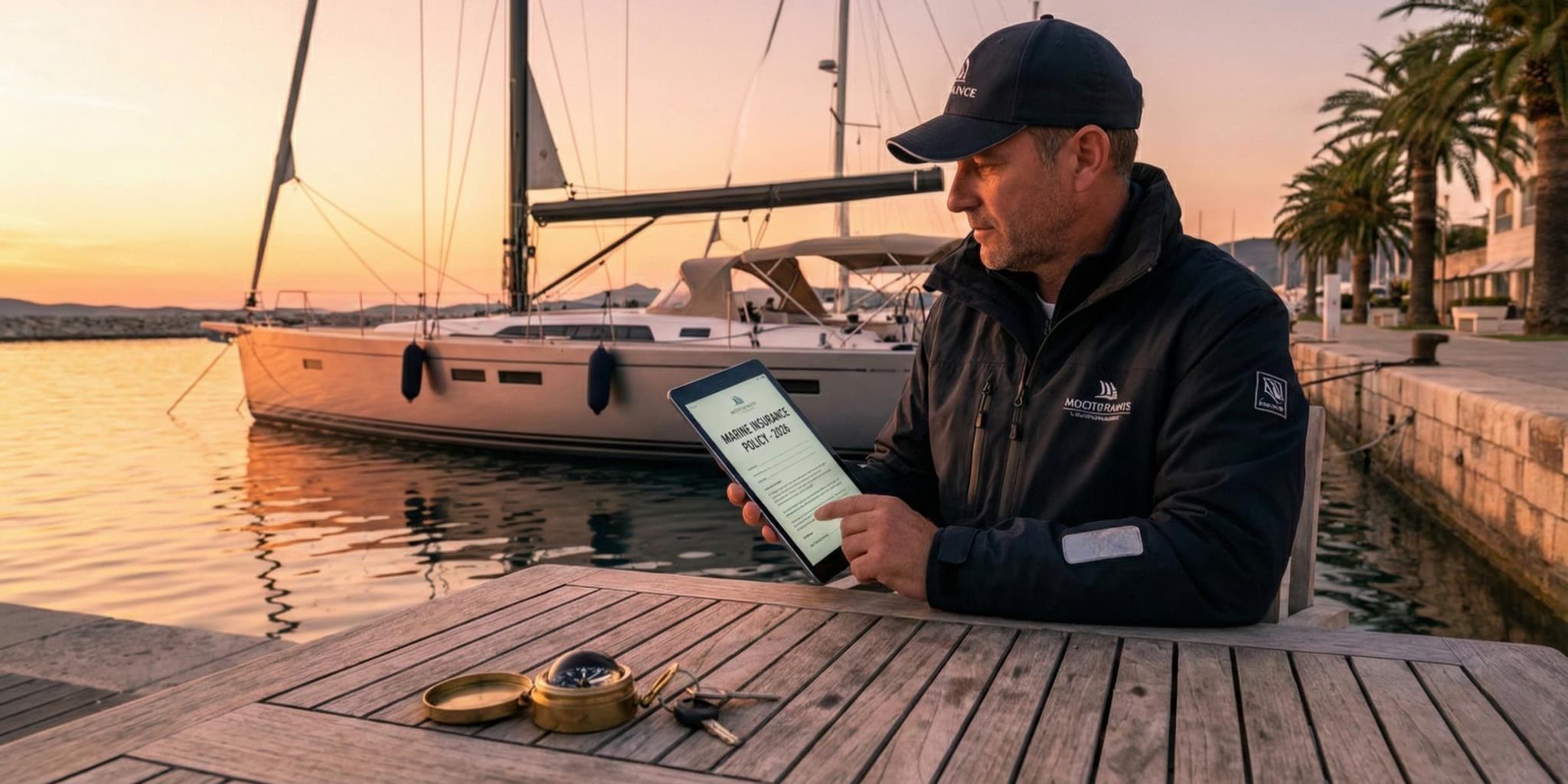
Navigating the Currents: The Essential Guide to Boat Insurance and Coverage for 2026
Introduction: Anchoring Your Peace of Mind
There is a singular, breathtaking moment when you take the helm of a vessel—perhaps a sleek X-Yachts X4⁶ or a performance-bred Elan GT6—and feel the wind fill the sails for the first time. In that moment, the "dream" is one of total freedom, of sun-drenched coves in the Mediterranean and the rhythmic pulse of the Atlantic. But the sea is as unpredictable as it is beautiful. A sudden squall, a submerged hazard, or a simple docking error can quickly transform that dream into a financial and legal "problem."
For the modern mariner, boat insurance is not merely a bureaucratic requirement; it is the ultimate safety tether. In 2026, as maritime technology becomes more integrated and the value of high-performance yachts continues to rise, understanding the nuances of marine coverage is the hallmark of a disciplined commander. Whether you are a software architect embarking on your first coastal hop or a business development director managing a private fleet, this guide serves as your authoritative compass through the complex waters of boat insurance and coverage.
1. The Core Policy Types: Agreed Value vs. Actual Cash Value
The most critical decision you will make regarding your 2026 boat insurance policy is how the vessel is valued in the event of a total loss.
- Agreed Value (AV): This is the gold standard for luxury and performance yachts. You and the insurer agree on the boat's value at the policy's inception. If the boat is lost in 2026, you receive that exact amount, regardless of market depreciation. This is highly recommended for newer models like the XR 41.
- Actual Cash Value (ACV): These policies are generally less expensive upfront but factor in depreciation. In the event of a total loss, the insurer pays what the boat was worth at the time of the incident. While common for older vessels, it can leave a significant "value gap" for high-end yachts.
2. Essential Coverage Pillars: Protecting the Hull and Beyond
A comprehensive 2026 marine policy is built upon several specific pillars of protection. Understanding each is vital for total vessel security.
- Hull and Equipment Coverage: This protects the physical structure of your boat, its machinery, and permanently attached equipment (like your Starlink maritime terminal or advanced thermal cameras) against physical damage.
- Liability Coverage (Protection and Indemnity - P&I): This is arguably the most important section. It covers your legal obligations to third parties for bodily injury or property damage. In many 2026 Mediterranean marinas, a minimum of €1,000,000 in liability is now a standard entry requirement.
- Medical Payments: Covers medical expenses for you and your guests resulting from an accident on the boat, regardless of fault.
- Uninsured Boater Coverage: Just as on the road, not everyone on the water is responsible. This protects you if you are hit by a vessel with no insurance or insufficient coverage.
3. Specialized Add-ons for the 2026 Mariner
The modern sailing environment requires specialized protections that go beyond "standard" boat insurance.
- Environmental & Fuel Spill Liability: In 2026, environmental regulations are stricter than ever. If your vessel leaks fuel in a protected sanctuary like the Maddalena Archipelago, the cleanup costs can be astronomical. This coverage is essential.
- Wreck Removal: If your boat sinks, authorities often require it to be raised and removed. This is a complex, expensive operation that is often excluded from basic policies.
- Personal Effects & Specialized Gear: Standard policies often have low limits for personal items. If you carry high-end night vision binoculars, diving gear, or professional drone equipment, you need an "Inland Marine" rider or a specialized personal effects add-on.
4. Comparison: Charter Insurance vs. Private Ownership (2026)
| Feature | Private Yacht Insurance | Charter / Commercial Insurance |
| Usage | Personal / Family / Friends | Paying Guests / Resale / Profit |
| Liability Limits | Standard ($1M - $5M) | Extended / Commercial Grade |
| Crew Coverage | Optional / Personal | Mandatory (STCW / P&I) |
| Navigation Limits | Pre-defined (e.g., Med Only) | Flexible / Multi-region |
| Cost | Baseline | High (Reflects increased risk) |
5. The 2026 "Insurance-Ready" Checklist
Before you sign on the dotted line, ensure your coverage meets the "Professional Protocol" for the upcoming season:
- [ ] Cruising Limits: Verify that your "Navigation Area" matches your 2026 itinerary. If you sail outside your designated zone (e.g., crossing from Malta to Sicily), your coverage may be voided.
- [ ] Survey Requirements: Most 2026 insurers require a professional marine survey for boats over 10 years old. Ensure your survey is "In-Date" (usually within the last 3-5 years).
- [ ] Named Storm Deductibles: In hurricane or cyclone-prone areas, check for a separate, higher deductible for "Named Storms."
- [ ] Lay-up Periods: Some policies offer discounts if the boat is hauled out and winterized (e.g., November to March). Ensure you don't sail during these periods, as you will be uninsured.
- [ ] Towing and Assistance: Ensure your policy includes high-limit towing (like SeaTow or BoatUS). A simple tow into a marina in 2026 can cost upwards of $1,000 without coverage.
Conclusion: Command with Confidence
Marine insurance is the silent partner of every successful voyage. It allows you to push the boundaries of exploration, knowing that the "what-ifs" are managed by professionals. In 2026, as we embrace the freedom of the infinite blue, the discipline of proper coverage is what separates the amateur from the master mariner. By choosing the right policy and understanding your obligations, you protect not just a hull of fiberglass and carbon, but the future of your maritime adventures.
Are you ready to secure your 2026 maritime dream? Whether you are looking for a meticulously insured charter yacht or need expert advice on the best coverage for your own performance vessel, our specialists are ready to guide your journey.
[Explore Our 2026 Insured Fleet and Book Your Secure Voyage Today]
FAQ Section
Q: Does my boat insurance cover me in international waters?
A: This depends entirely on your "Navigation Limits." Most 2026 policies are region-specific (e.g., "Mediterranean Waters" or "US Coastal"). If you plan to cross an ocean or move between major regions, you must notify your insurer to obtain an "Endorsement" or a "Blue Water" rider.
Q: Will my insurance cover a professional racing crew?
A: Standard pleasure craft insurance often excludes "Racing." If you plan to participate in events like Les Voiles de Saint-Tropez 2026, you must specifically add a "Racing Cover" endorsement, which may include higher premiums and specific deductibles for rig damage.
Q: Is mechanical breakdown covered by boat insurance?
A: Generally, no. Insurance is for "accidental, sudden, and unforeseen" events. Wear and tear or a lack of maintenance (like a seized outboard due to old fuel) are typically excluded. However, some 2026 "All-Risk" policies may cover "consequential damage" resulting from a mechanical failure.
Tags:
Related Articles
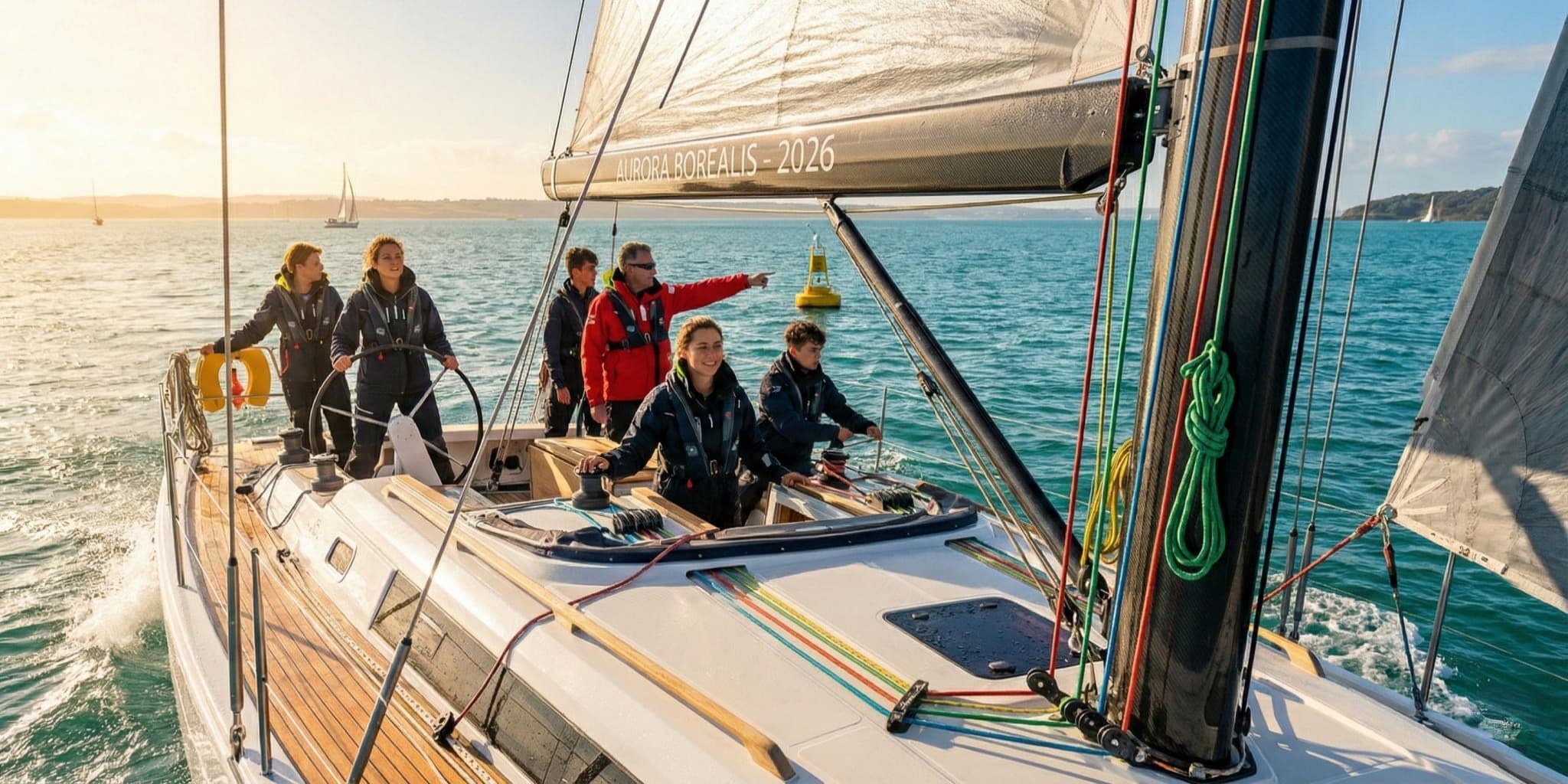
Set Sail with Confidence: What to Know Before Attending a Sailing Course in 2026
Transition from passenger to captain. Discover the essential certifications, gear, and mental prep needed for your 2026 sailing course success.
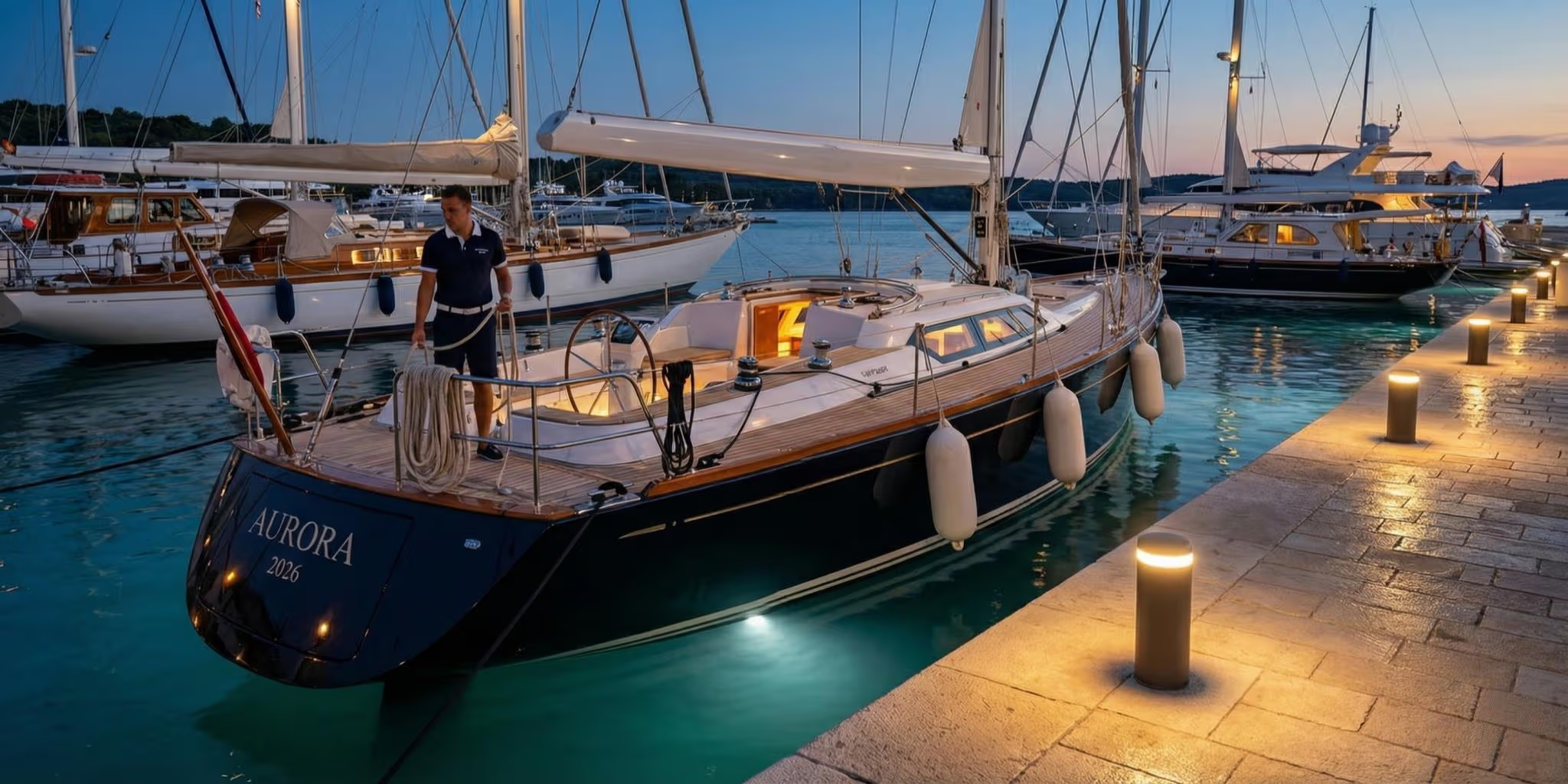
Master the Quay: Marina Rules and Maritime Etiquette for 2026
Don't be "that boat." Master the unspoken laws of the harbor and professional marina etiquette to ensure a seamless and respected 2026 voyage.
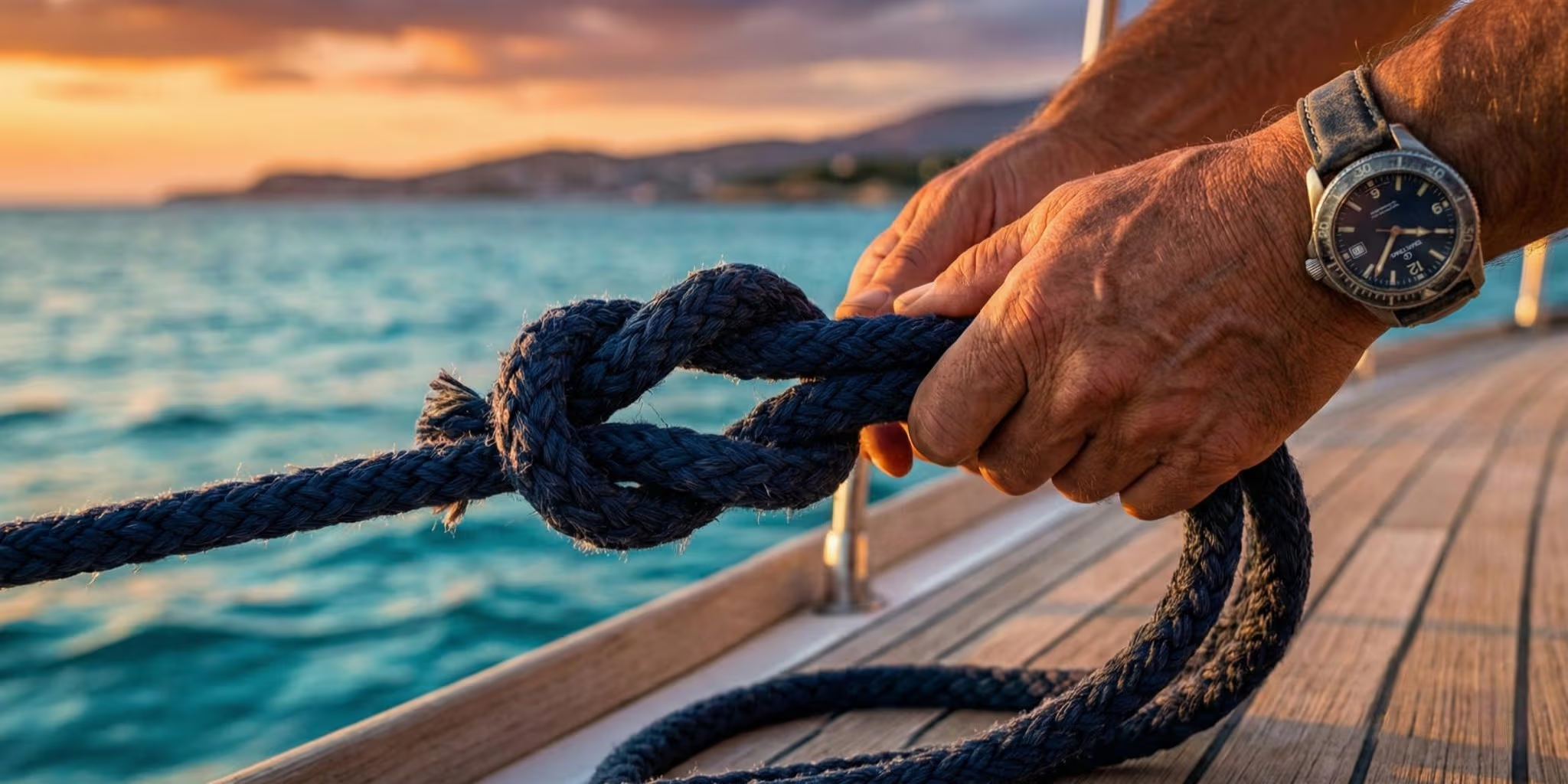
Master the Lines: The Top 5 Sailor Knots You Must Know in 2026
Secure your vessel with confidence. Master the 5 essential sailor knots every mariner needs for a safe and professional 2026 yachting adventure.