
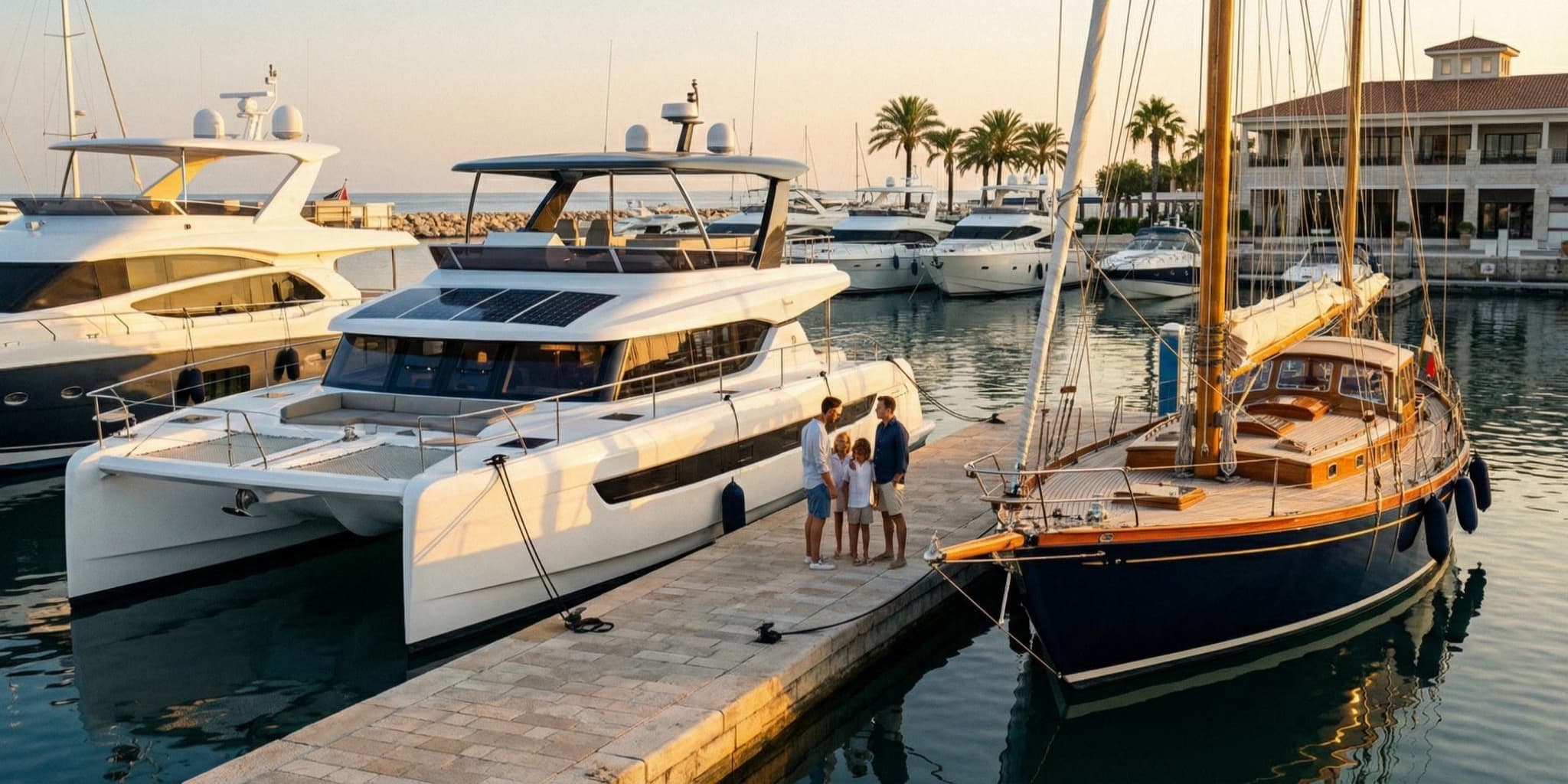
2026 First-Time Boat Buyer’s Guide: New vs. Second Hand
Introduction: The Threshold of the Blue Horizon
There is a singular, exhilarating moment when you stop dreaming about the sea and start planning your entry into it. The vision is clear: the sun glinting off a polished hull, the family gathered in a spacious cockpit, and the ultimate freedom of the horizon. However, for a first-time buyer in 2026, that dream quickly meets a crossroads of logic and emotion: Should you buy a brand-new vessel or a second-hand one?
The boat market of 2026 is uniquely poised. After years of shifting inventory levels, we have entered a "normalized" era where buyers finally have the clarity to evaluate long-term value. Choosing between a factory-fresh yacht and a "brokerage" gem isn't just about the purchase price; it’s about aligning your lifestyle, your technical aptitude, and your 5-year vision for the sea. This guide navigates the complexities of 2026 boat ownership to ensure your first vessel is a source of joy, not a lesson in regret.
1. The Allure of the New: Innovation and Warranty
In 2026, a new boat is more than just "unused." It is a platform for the latest maritime technological revolution.
- Cutting-Edge Tech: New 2026 models from brands like Beneteau, Jeanneau, or Sea Ray now feature integrated AI-assisted docking, lithium-based battery systems for silent anchorage, and significantly more fuel-efficient hull designs.
- The Warranty Shield: For a first-time buyer, the "Peace of Mind" factor is paramount. A new boat comes with a manufacturer’s warranty (often 2–5 years on systems and 10+ on the hull). If a pump fails or an electronic screen glitches in your first season, the cost isn't yours to bear.
- Zero Hidden History: You are the first to sleep in the cabins and the first to push the throttles. There are no "questionable repairs" lurking behind the bulkheads or deferred maintenance issues hidden in the bilge.
2. The Case for Pre-Owned: Value and Immediacy
For many savvy buyers in 2026, the "smart money" is found in the brokerage market, which has seen a healthy influx of late-model inventory.
- Avoid the "Depreciation Hit": A new boat typically loses 10–15% of its value the moment it leaves the dealership. By choosing a 3-to-5-year-old boat, someone else has already absorbed that initial financial drop.
- More "Boat" for Your Budget: In 2026, the price of a new 35-foot cruiser might buy you a well-maintained 42-foot second-hand yacht. For a family seeking more cabins or a more stable blue-water platform, the pre-owned route offers significantly more volume.
- Immediate Availability: While custom-building a new yacht can take 6–18 months in the current market, a second-hand boat is usually ready for a sea trial and purchase within weeks. You could be on the water by the next full moon.
3. Comparison: The 2026 Ownership Reality
| Feature | New 2026 Build | Pre-Owned (5–10 Years Old) |
|---|---|---|
| Upfront Cost | High | Lower (20–40% Savings) |
| Depreciation | Steep (Year 1–3) | Stable |
| Maintenance | Minimal (Initial 2 Years) | Higher (Mechanical & Systems) |
| Technology | State-of-the-Art / AI | May require a €10k–30k Refit |
| Insurance | Easier to secure / Lower rates | Requires Survey / Higher premiums |
| Customization | Full (From Factory) | Limited to Refit Scope |
4. The 2026 Maintenance Math: The 10% Rule
Whether new or used, the purchase price is only the beginning. In 2026, a realistic annual budget for a 35–45ft yacht is 8% to 12% of its value .
- New Boats: Your maintenance budget goes toward preventative care (detailing, engine service, and bottom cleaning) to preserve that high resale value.
- Used Boats: Your budget often goes toward corrective care. In 2026, parts and labor costs have risen; an older boat with a "cheap" price tag can quickly become expensive if the standing rigging or the saildrive diaphragm is near its end-of-life.
5. First-Time Buyer’s 2026 Checklist
Before you sign on the dotted line, ensure these four pillars are in place:
- [ ] The Professional Survey: Even for a "like-new" used boat, never skip a professional marine survey. In 2026, surveyors are using thermal imaging to detect hidden moisture in hulls—a must-have for peace of mind.
- [ ] Sea Trial with Full Load: Don't just test the boat with the broker. Bring your family. See how the boat handles "at capacity." Does the engine feel underpowered? Is the cockpit still easy to move around in?
- [ ] Resale Research: Look at the 2026 values for 10-year-old versions of the boat you are buying. Brands with a "pedigree" (like Hallberg-Rassy, Lagoon, or Boston Whaler) hold their value significantly better.
- [ ] Mooring Verification: In 2026, marina slips are the new "gold." Ensure you have a confirmed berth before you finalize the purchase, as some popular Mediterranean and US hubs have multi-year waiting lists.
Conclusion: Command Your Decision
The choice between new and used isn't about which boat is "better"—it's about which boat is better for you . If you prioritize the latest tech, a warranty, and the pride of being the first owner, a new 2026 build is a spectacular investment. If you want to maximize your cabin space, avoid depreciation, and don't mind a few weekend "projects" or a tech refit, the pre-owned market is where you'll find your treasure. In 2026, the best boat is simply the one that gets you away from the dock and into the adventure.
Would you like me to find a list of 2026-model yachts currently available for a sea trial in your preferred region, or perhaps help you calculate a detailed 5-year cost-of-ownership projection for a specific used model?
FAQ Section
Q: Is it harder to finance a used boat in 2026?
A: Generally, yes. Marine lenders in 2026 prefer newer boats (under 10 years old) because they represent lower risk. For older vessels, you may face higher interest rates or be required to provide a larger down payment (often 20–30%).
Q: How much should I budget for a "refit" on a second-hand boat?
A: A good rule of thumb in 2026 is to set aside 15–20% of the purchase price for immediate upgrades. This usually covers new electronics, a fresh battery bank, and any necessary sail or upholstery work to make the boat feel truly "yours."
Q: Does a new boat really have "lower" maintenance?
A: In the first 24 months, yes—most issues are covered by warranty. However, you must strictly follow the manufacturer's service schedule to keep that warranty valid. Skipping a single oil change or hull inspection could void your coverage.
Meta Title: First-Time Boat Buyer Guide 2026: New vs. Second Hand
Meta Description: Navigate your first yacht purchase in 2026. Compare the pros and cons of new vs. used boats, including depreciation, tech trends, and maintenance costs.
Tags:
Category: Beginner Guides
Tags:
Related Articles
Navigating the Currents: The Essential Guide to Boat Insurance and Coverage for 2026
Protect your dream and your pocketbook. Master the complexities of marine insurance and secure the best boat coverage for your 2026 maritime adventures.
Set Sail with Confidence: What to Know Before Attending a Sailing Course in 2026
Transition from passenger to captain. Discover the essential certifications, gear, and mental prep needed for your 2026 sailing course success.

Master the Quay: Marina Rules and Maritime Etiquette for 2026
Don't be "that boat." Master the unspoken laws of the harbor and professional marina etiquette to ensure a seamless and respected 2026 voyage.