
The Master Mariner’s Guide: How to Change Diesel Engine Oil and Filters in 2026
Introduction: The Lifeline of Your Offshore Freedom
There is a specific, guttural satisfaction in the sound of a perfectly tuned marine diesel engine. It is the sound of safety, of cold drinks in the fridge, and of the ability to make headway when the wind decides to sleep. But for that "iron heart" to remain loyal during your 2026 voyages, it requires a blood transfusion. Oil in a marine engine isn’t just a lubricant; it is a cooling agent, a cleaner, and a sealant working in one of the harshest environments on Earth.
Imagine being mid-passage between the Balearics and Sardinia when an oil pressure alarm pierces the serenity of the afternoon. The culprit? Neglected, acidic oil or a clogged filter. In the world of blue-water cruising, self-reliance is the ultimate luxury. Mastering the art of the oil change transitions you from a mere passenger to a true commander of your vessel. In this guide, we break down the 2026 professional standards for diesel maintenance, ensuring your engine remains as pristine as the waters you navigate.
1. Preparation: The 2026 Maintenance Toolkit
Before you crack a single seal, you must have the right gear. Marine engine rooms are tight, and "oil-spill anxiety" is real.
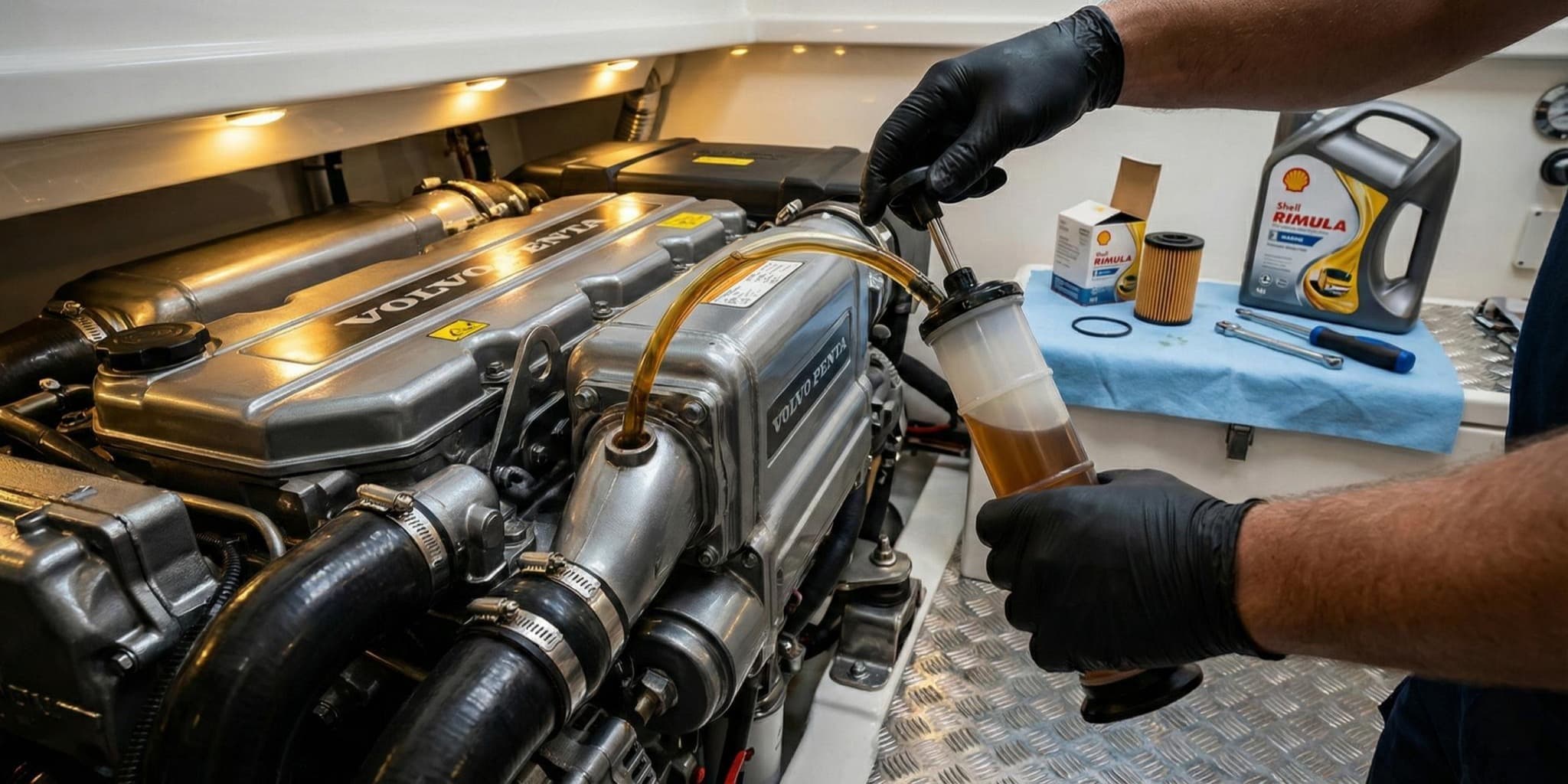
- The Vacuum Extraction Pump: Most modern yachts do not have space to put a drain pan under the engine. A manual or 12V electric vacuum pump that sucks oil out through the dipstick tube is the 2026 standard.
- Oil Filter Wrench: Specifically, a "cup-style" or "strap" wrench that fits your specific Yanmar or Volvo Penta filter.
- Absorbent "Bilge Pigs": These specialized pads absorb oil but repel water. Lay them under the engine and the filter housing before you start.
- The Right Oil: In 2026, many newer engines require specific low-SAPS or synthetic blends. Always verify the API (American Petroleum Institute) rating required by your manufacturer (e.g., CJ-4 or CK-4).
2. Step-by-Step: The Professional Oil Change Protocol
Following a disciplined sequence is the only way to ensure a clean, effective oil change that actually extends your engine's lifespan.
Phase 1: Warming the Blood
You should never change oil on a cold engine. Cold oil is thick and holds contaminants at the bottom of the sump.
- Run the engine for 10–15 minutes until it reaches operating temperature.
- Expert Tip: Warm oil flows faster and carries suspended carbon and metal particles out with it.
Phase 2: The Extraction
- Remove the dipstick and insert the extraction tube.
- Pump until you hear the "slurping" sound of air, indicating the sump is empty.
- Check the Volume: If your manual says the engine holds 5 liters, but you only extracted 3, you have a problem. Either the tube didn't reach the bottom, or your engine is consuming oil.
Phase 3: The Filter Swap
The oil filter is where the "damage" is trapped.
- Wrap the old filter in a plastic bag before unscrewing it to catch the inevitable spill.
- The Golden Rule: Always lubricate the rubber gasket of the new filter with a smear of fresh oil.
- Hand Tighten Only: Never use a wrench to tighten a new filter. Hand-tight plus a quarter turn is the professional standard.
3. Comparing 2026 Lubrication Standards
Understanding the difference between oil types can prevent long-term internal corrosion.
| Feature | Conventional Mineral Oil | Modern Synthetic Blend (2026 Standard) |
| Viscosity Stability | Moderate | High (Better cold starts) |
| Additives | Standard | Advanced Detergents & Anti-Corrosives |
| Service Interval | 100 Hours | 150 - 200 Hours |
| Engine Protection | Baseline | Superior (Reduced friction/heat) |
| Cost | Low | Moderate |
4. The "Post-Op" Checklist: Ensuring Integrity
Once the new oil is in and the filters are tight, the job isn't finished until you've verified the "seal."
- [ ] Initial Level Check: Fill to the "Max" line on the dipstick, but do not overfill. Overfilling can cause oil aeration and damage seals.
- [ ] The Leak Run: Start the engine and let it idle for 3 minutes. Inspect the filter housing and the dipstick tube for any signs of weeping.
- [ ] Final Level Check: After running, let the engine sit for 10 minutes so the oil drains back into the sump. Re-check the level; it will likely have dropped slightly as the new filter filled up.
- [ ] Disposal: In 2026, environmental stewardship is non-negotiable. Pour your old oil into the new oil's empty containers and take them to a certified marina recycling center.
- [ ] Logbook Entry: Record the date, engine hours, oil type, and filter part numbers. This log is worth its weight in gold when it comes time to sell your yacht.
5. Maintenance Mastery: When to Change?
The "100-hour rule" is a great baseline, but the 2026 professional mariner looks deeper.
- The Seasonal Factor: Even if you only sailed 20 hours this year, you must change the oil before winter storage. Old oil contains acids and moisture that will pit your bearings if left to sit for months.
- The Color Test: If your oil turns jet black immediately after a change, it’s normal for a diesel. However, if it feels "gritty" between your fingers, your filtration system is failing.
Conclusion: Command Your Engine Room
Performing your own oil change is a rite of passage. It builds a "mechanical empathy" that allows you to hear and feel issues before they become catastrophic failures. In 2026, the best yachts are not just those with the newest tech, but those with the most disciplined owners. When you know exactly what is happening inside your engine block, you can face the horizon with the absolute confidence of a master mariner.
Would you like me to find the specific oil filter part numbers for your engine model, or perhaps suggest a 2026-ready "emergency spares kit" for your next blue-water crossing?
FAQ Section
Q: Can I use automotive diesel oil in my yacht’s engine?
A: In an emergency, yes, but it is not ideal for the long term. Marine diesel oils contain higher levels of anti-corrosive additives (like Zinc and Phosphorus) specifically designed to combat the moist, salty environment of an engine room.
Q: Why should I change the oil before winterizing instead of in the spring?
A: Used oil contains combustion byproducts that turn acidic over time. If left in the engine during winter storage, these acids can etch the polished surfaces of your bearings and cylinder walls. Fresh oil provides a clean, alkaline environment for the "off-season."
Q: What happens if I accidentally overfill the oil?
A: Overfilling can lead to "crankcase splashing," where the crankshaft hits the oil and whips it into a foam. This foam cannot be pumped effectively, leading to a drop in oil pressure and potential engine damage. If you overfill, use your extraction pump to remove the excess immediately.
Tags:
Related Articles
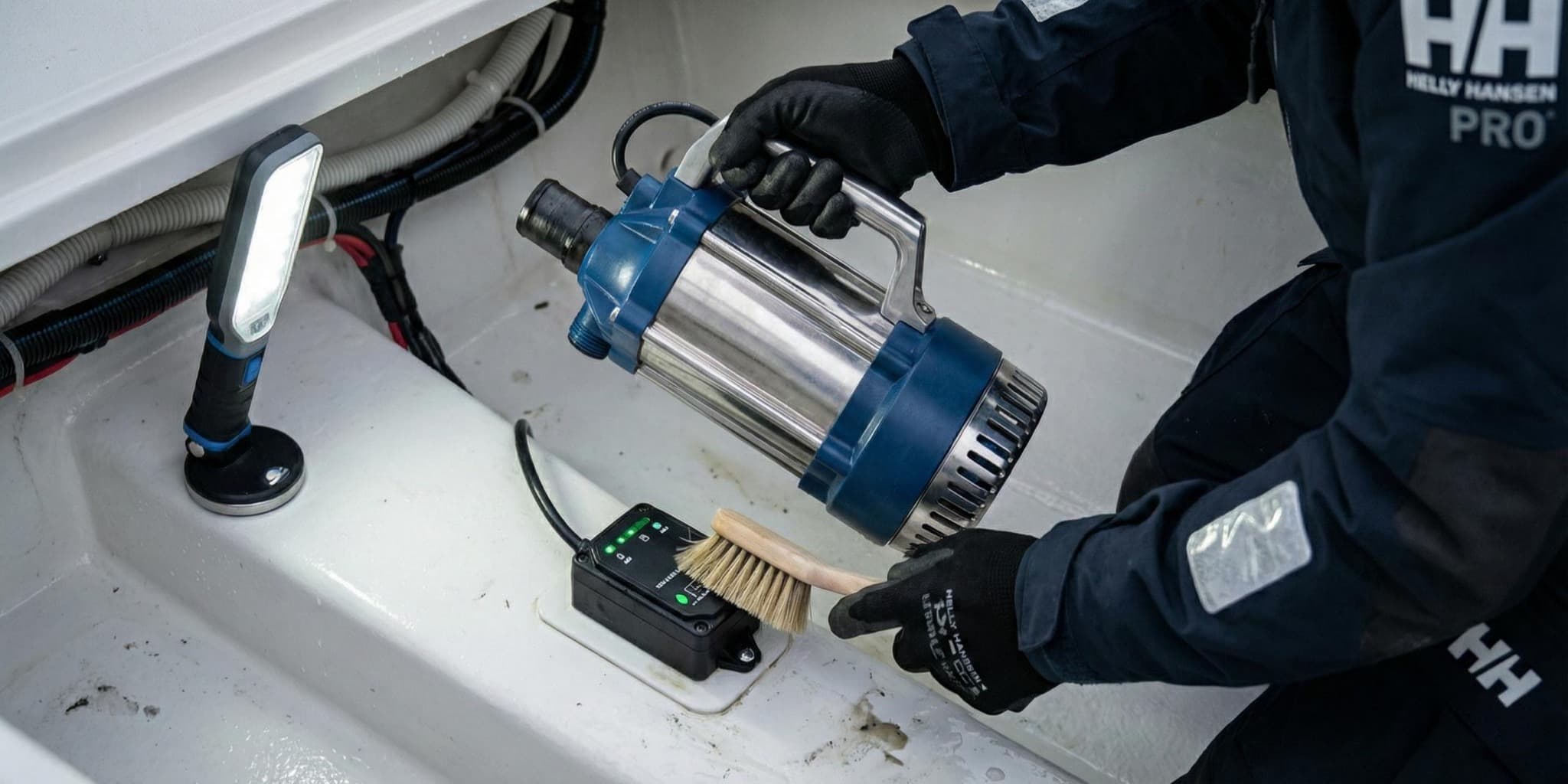
Dry Bilge, Deep Peace: The Essential Bilge Pump Check and Cleaning Routine for 2026
Your yacht's first line of defense. Master the professional bilge pump check and cleaning routine to ensure your vessel stays safe and dry in 2026.
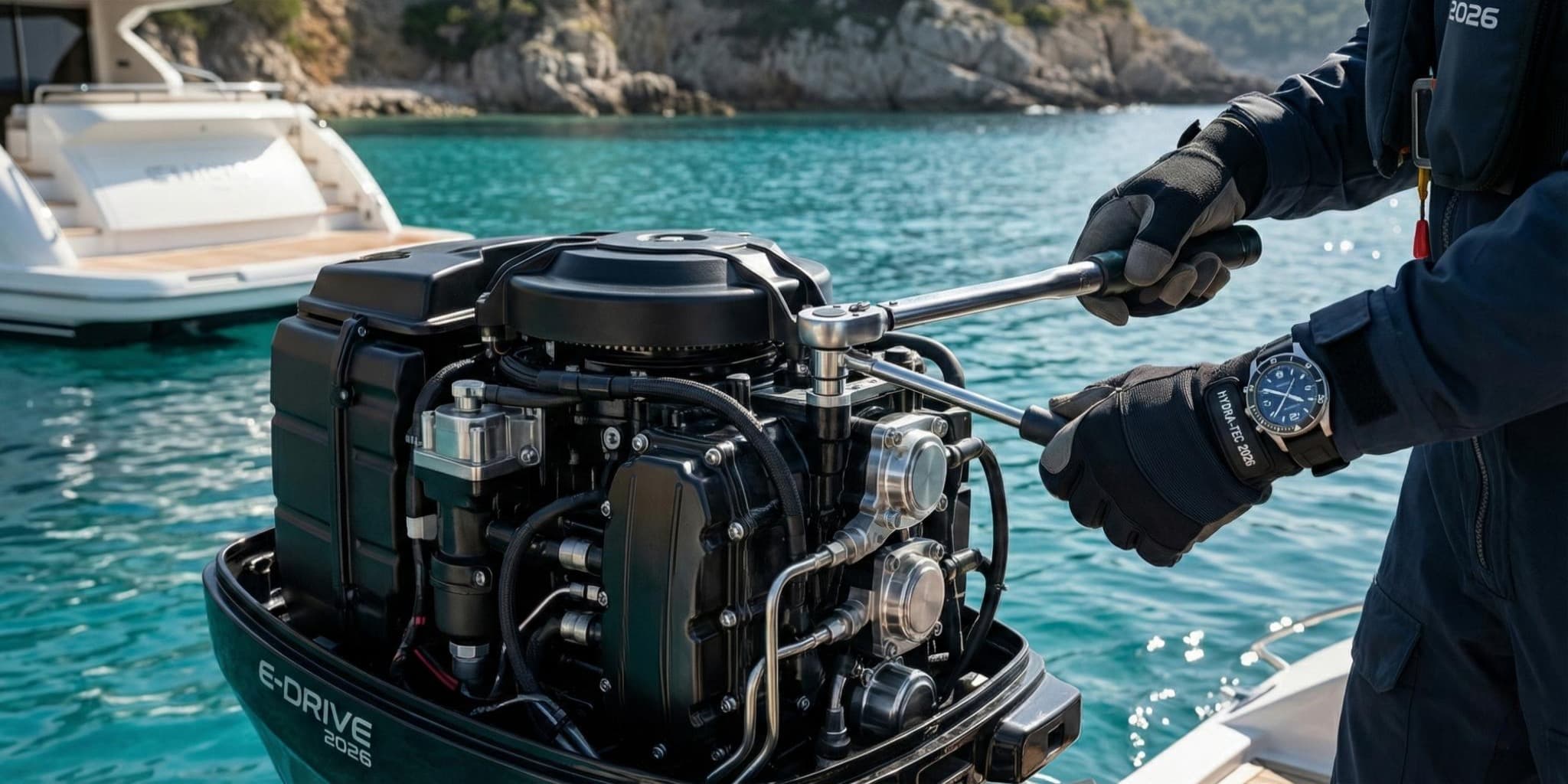
2026 Master Guide: Basic Outboard Engine Maintenance for the Modern Mariner
Don’t let a stalled tender ruin your shore excursion. Master the essential 2026 outboard engine maintenance protocols to ensure reliability on every wave.
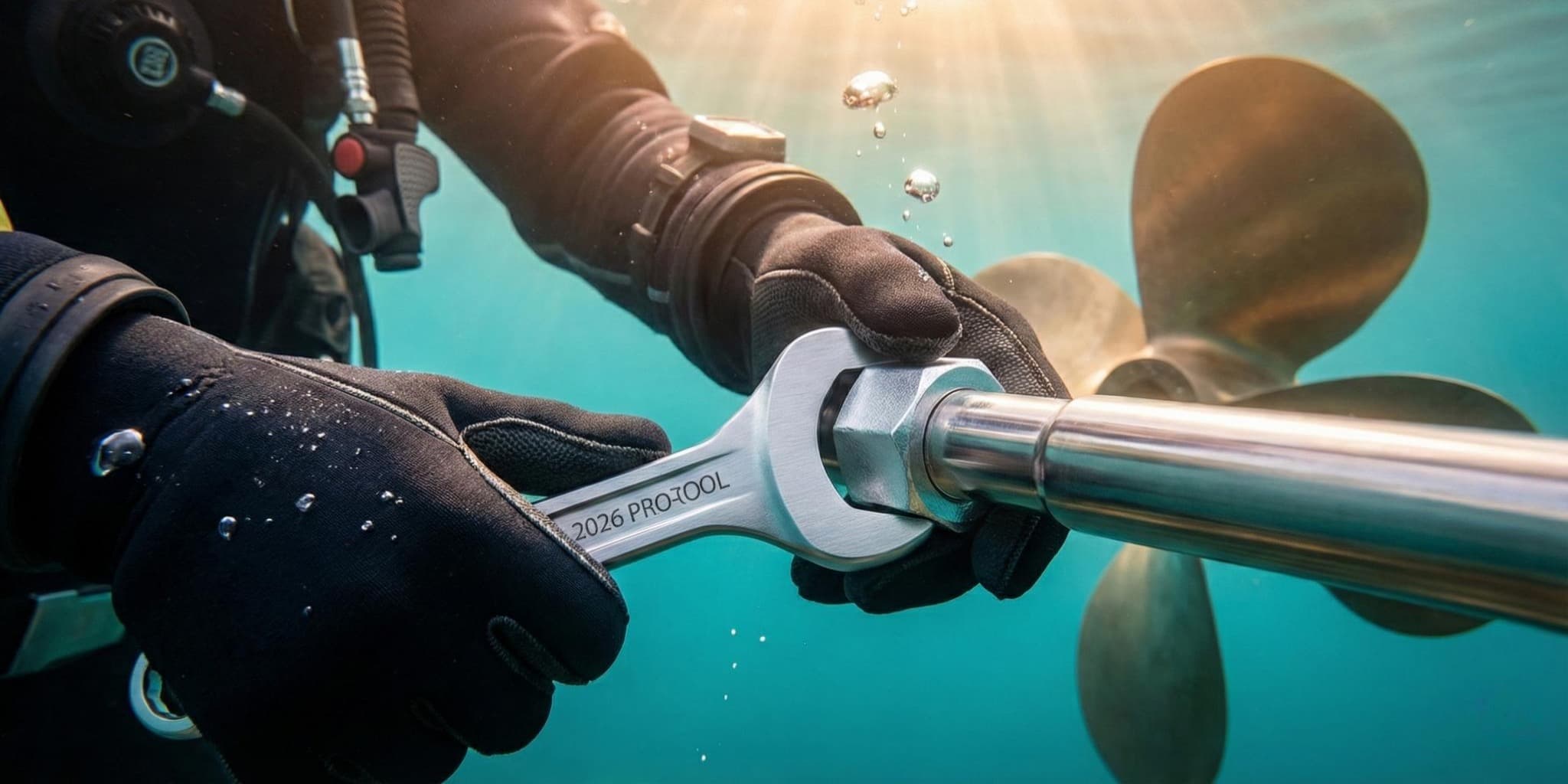
The Silent Guardian: Master the Art of Replacing Propeller and Shaft Anodes in 2026
Protect your yacht's vital hardware from the ocean's bite. Master the 2026 protocols for replacing propeller and shaft anodes to ensure a worry-free season.